Standardized testing does more harm than good
Aldo's Synthesis high
Based on the strength of the Arguments below
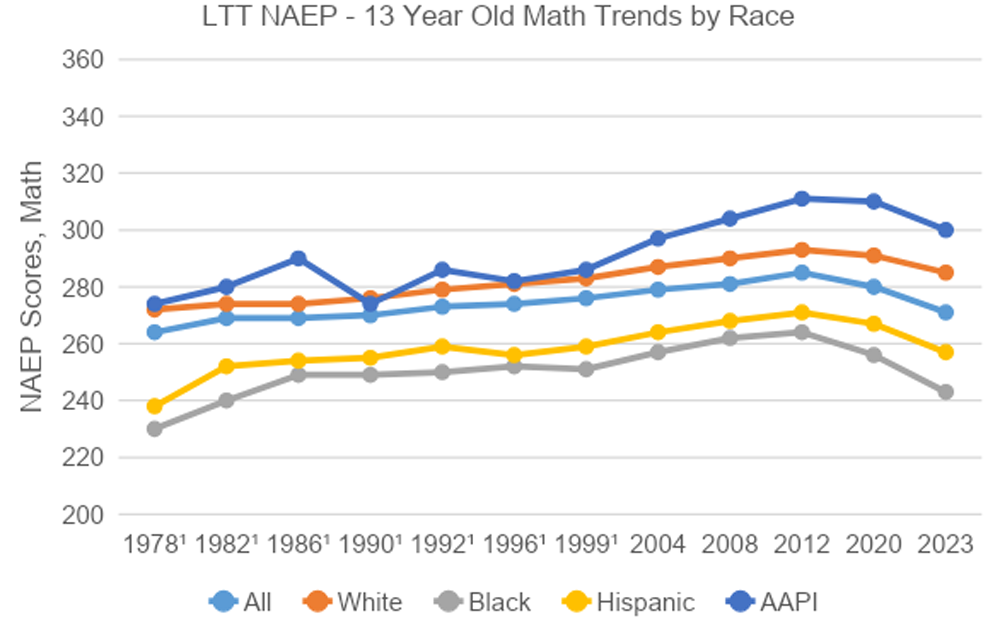
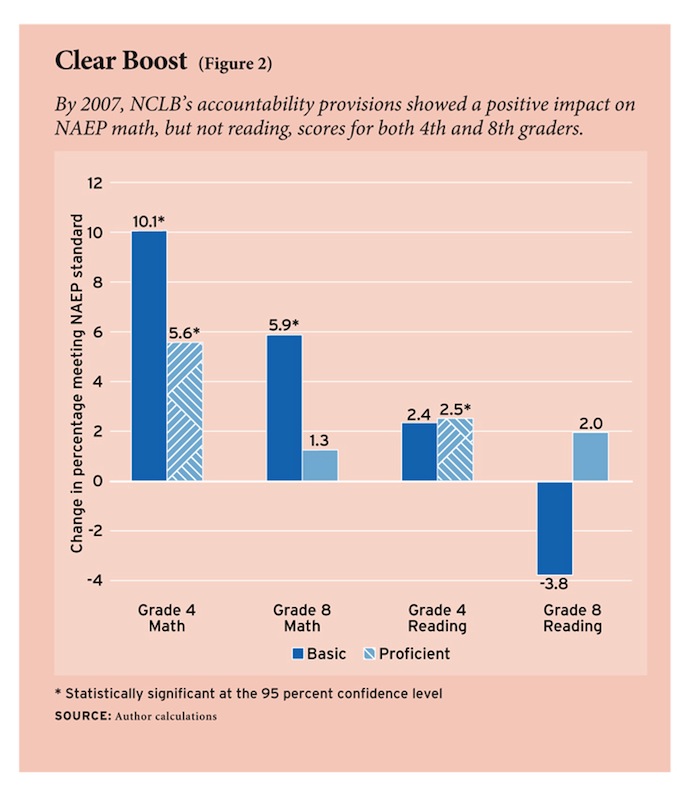
The claim asks whether standardized testing, considered across its different forms and uses, produces more harm than benefit for students and education systems. The central distinction is between standardized measurement itself and the institutional consequences attached to scores, including accountability sanctions, admissions decisions, instructional responses, and public reporting. The relevant comparison also matters: eliminating common assessments altogether is a different policy from retaining low-stakes monitoring while replacing score-only decisions with contextual, multi-measure judgment. The strongest support for the claim is that high-stakes testing can distort instruction: a qualitative metasynthesis of 49 studies found recurrent curriculum narrowing, more teacher-centered instruction, and fragmentation of knowledge into test-like components, while score-inflation research found that gains on an accountability test may exceed gains on independent measures. These findings indicate that when sanctions, ratings, or employment consequences depend heavily on one exam, apparent score improvement need not represent equally broad gains in transferable learning. The benefits of accountability are correspondingly uneven: a quasi-experimental analysis of No Child Left Behind found gains in fourth-grade mathematics, especially among lower-performing students, but no comparable reading gains (see Figure 3). Long-term national assessments document achievement trends and persistent disparities across decades, but they do not establish that testing caused those trends; read alongside the mixed accountability findings, they do not support a general inference that decades of testing produced broad, uniform improvement (see Figure 2). Student welfare supplies a second ground for concern: a 20-year systematic review and meta-analysis found that test anxiety among primary-school children was meaningfully associated with poorer academic outcomes and emotional difficulties. That evidence justifies concern about stressful testing regimes, but because much of the underlying research is correlational and not confined to state standardized exams, it does not show that every standardized assessment causes clinically important harm. A third concern is invalid or inequitable gatekeeping: test scores contain information about achievement, but they also reflect schooling, family background, preparation, and unequal opportunity, while high-school GPA often predicts college performance better than a one-time standardized assessment. Consequently, using a score as a decisive admissions or placement threshold risks converting unequal educational opportunities into consequential selection differences, particularly when institutions omit contextual review or fail to validate the test for the specific use. The admissions evidence therefore supports rejecting score-only judgment, not treating test scores as either socially neutral or wholly meaningless (see Figure 1). The strongest challenge to the claim is that common assessments provide information that fragmented local measures cannot reliably replace: NAEP permits comparisons across jurisdictions, years, and demographic groups and makes achievement gaps and long-term trends publicly visible. This descriptive function does not explain disparities or prove that testing remedies them, but it supplies a stable external yardstick with which the public can detect unequal outcomes. Accordingly, abolishing common measurement could remove an important transparency mechanism even if it also removed some high-stakes pressures. Standardized scores also carry some valid predictive information: research finds that they predict aspects of college performance and add information beyond high-school grades, although grades are generally stronger predictors. Administrative-data research further found that teachers who raised standardized-test scores were associated with higher college attendance, earnings, and other later-life outcomes, indicating that at least some score gains capture educationally meaningful differences. Later methodological debate qualifies the causal magnitude of those associations, but the evidence still contradicts the categorical proposition that standardized-score gains are always artifacts of test preparation. A common test may also identify talented students whose school context or other application materials obscure their potential, although unequal access to preparation and persistent score disparities require contextual interpretation. Testing can contribute to school improvement when data trigger substantive assistance rather than punishment alone: a quasi-experimental Florida study found improved outcomes in some low-performing schools exposed to intensive accountability interventions, with management and operational changes appearing important. Together with the limited mathematics gains under No Child Left Behind, this suggests that assessment data may support improvement under particular intervention designs, but not that score publication or sanctions alone reliably raise achievement. Finally, direct administration of mandated standardized tests occupies only a small fraction of the school year according to one institutional estimate, so instructional-time critiques are strongest when they include local testing and extensive preparation rather than federally required test-taking alone. The evidence turns primarily on the stakes and uses attached to testing, not on standardization alone: low-stakes population monitoring offers comparability without direct consequences for individual students or teachers, whereas the clearest instructional and welfare concerns arise in frequent or high-stakes regimes. A defensible policy can therefore retain common, low-stakes trend measurement while limiting incentives that encourage curriculum narrowing, coaching, or inflated interpretations of score growth. For individual selection, the better-supported boundary condition is multi-measure use: standardized scores may add predictive information, but grades summarize sustained performance and often predict college outcomes more strongly. Scores are most defensible when combined with grades, institutional validation, and contextual information, because this preserves potentially useful signals—including possible identification of overlooked talent—without permitting one measure to override richer evidence or conceal unequal opportunity. For school accountability, the evidence favors diagnosis coupled with capacity-building over punishment alone: observed gains have been limited by subject and setting, while some intensive interventions in low-performing schools have improved outcomes through substantive organizational changes. Thus the broad claim becomes more accurate as testing grows more frequent, consequential, and exclusive, and less accurate when testing is low-stakes, limited, contextualized, and used to inform rather than dictate decisions. The principal remaining gap is not a missing side of the debate but the absence of a common metric that permits heterogeneous harms and benefits to be aggregated into a single net balance. The bundle does not supply a direct system-wide comparison assigning commensurable values to curriculum narrowing, anxiety, transparency, predictive information, unequal selection effects, and achievement gains. This limits the precision with which any universal “more harm than good” judgment can be stated, even where the direction of particular effects is comparatively clear. A further limitation is imperfect causal identification and transferability across contexts. The anxiety evidence does not isolate standardized exams cleanly, some accountability findings are subject- or jurisdiction-specific, and observational links between score gains and adult outcomes remain methodologically contested. The supplied structural assessment also flags unresolved conflict-of-interest classifications, which warrants caution about source independence even though the overall evidence base is rated strong. On the present evidence, the broad claim is balanced rather than established universally: high-stakes, score-dominant testing can plausibly do more harm than good, but low-stakes monitoring and contextualized, multi-measure assessment retain substantial benefits. Confidence in this conditional conclusion is high. The dominant substantive uncertainty is how to aggregate unlike outcomes across differing testing regimes, compounded by unresolved conflict-of-interest classifications in the source set.
Supporting Arguments
P1High stakes can narrow what schools teach
When scores determine sanctions, ratings, or employment consequences, schools have incentives to concentrate on tested subjects, formats, and students. A metasynthesis found recurrent curriculum narrowing and more test-oriented instruction, while score-inflation research indicates that gains on the incentivized exam may not transfer fully to independent measures.
93/100 · Direct Evidence
P2Testing pressure can burden student well-being
Test anxiety is associated with poorer performance and emotional difficulties in children, making intensive testing regimes a legitimate welfare concern. However, the evidence does not show that every standardized assessment causes clinically important anxiety, so the strongest objection applies to frequent or high-stakes uses.
42/100 · Direct Evidence
P3Accountability gains are limited and uneven
The National Research Council found little evidence that test-based incentives generate broad, durable learning gains. NCLB research found improvement in fourth-grade mathematics but not reading, suggesting that benefits are subject- and design-specific rather than sufficient to justify all associated costs.
59/100 · Direct Evidence
P4Scores can reproduce unequal opportunities
Standardized scores reflect acquired skills but also differences in schooling, family resources, preparation, and opportunity. Using them as decisive gatekeepers may therefore convert existing socioeconomic inequalities into admissions or placement inequalities, particularly without contextual review.
77/100 · Logical Inference
P5Single-test decisions are less valid than broader assessment
High-school GPA often predicts college performance better than a one-time test because it summarizes sustained work across courses and years. Tests add information, but evidence does not support allowing one score to override richer evidence of performance.
76/100 · Direct Evidence
Opposing Arguments
C1Common tests expose achievement gaps
NAEP provides a stable yardstick across jurisdictions and demographic groups, making disparities and long-term trends publicly visible. Without a common external measure, inconsistent grading and state standards could conceal unequal educational outcomes.
79/100 · Direct Evidence
C2Tests provide useful predictive information
Standardized assessments predict aspects of college performance and add information beyond high-school grades, even though grades are often stronger predictors. Abandoning tests entirely can discard valid information; combining scores with grades and context is better supported.
85/100 · Direct Evidence
C3Test-score gains can represent meaningful learning
Teacher-driven gains in standardized scores have been associated with college attendance and adult earnings, indicating that scores are not inherently meaningless. The causal magnitude is debated, but this evidence challenges the claim that all measured gains are merely teaching to the test.
75/100 · Direct Evidence
C4Testing can support targeted school improvement
Accountability produced some mathematics gains under NCLB, and intensive interventions attached to accountability improved outcomes in some low-performing schools. Standardized data may therefore help identify problems and guide support when consequences include capacity-building rather than punishment alone.
58/100 · Direct Evidence
C5Direct test administration uses limited school time
Estimates indicate that mandated testing itself consumes only a small share of the school year. Critiques based on lost time are stronger when they include optional local testing and excessive preparation, which are policy choices rather than unavoidable properties of standardized measurement.
49/100 · Data Analysis
C6A common measure may reveal overlooked talent
Grades, recommendations, and extracurricular records are also shaped by school resources and subjective judgment. A contextualized common test can sometimes identify capable students from unfamiliar or under-resourced schools, although unequal preparation means it should not stand alone.
76/100 · Logical Inference
All contributions are reviewed for clarity, balance, and evidence. The strongest insights are elevated into the argument graph — with credit to you.
Help improve this analysis on ProConWiki →