Should Santa Ana voters approve Measure N? (November 3, 2026 ballot)
What's this about?
People disagree about whether Santa Ana voters should approve Measure N on November 3, 2026.
The measure would keep the city’s current sales tax instead of letting it end later.
What supporters say
- Rules would keep a citizen group, yearly checks, and public reports about how the money gets spent.
- The tax could keep about $84 million each year for police, fire help, roads, parks, walks, and other city needs.
- The current tax has raised almost $500 million for safety, repairs, and youth programs.
What critics say
- A tax with no end date gives voters less power to review or change it later.
- The money goes into the city’s main fund, so the measure does not promise better results for any one service.
- Sales tax takes a bigger share of low-income families’ money than it takes from rich families.
How to read this
The number of points on each side does not show who is right; the strength of the proof matters more.
The claim is that Santa Ana voters should approve Measure N on Nov. 3, 2026. The measure would keep the city’s current 1.5-cent local sales tax in place indefinitely, instead of allowing a scheduled reduction and eventual expiration.
The case for
The strongest argument for Measure N is fiscal continuity. The city’s official analysis estimates that keeping the tax would provide about $84 million a year for general city services. That revenue would support a general fund that includes emergency response, maintenance, parks, sidewalks, roads and other basic services. The city’s 2025–26 budget calls for about $424.23 million in general-fund spending and a $57.9 million capital-improvement program, so losing a major source of flexible funding could make those responsibilities harder to manage. 1
The tax has also already produced substantial revenue. Reporting based on city financial records says the existing Measure X has raised nearly $500 million, helping fund public safety, maintenance and youth programs. The revenue history supports the argument that Measure N would preserve an established funding stream rather than create an untested one. But past collections do not prove that indefinite continuation is the best policy, or that the same services could not be funded another way. 2
Measure N would also preserve important oversight measures. The citizen oversight committee, independent annual audit and annual public spending disclosures would remain in place. The city already publishes information about Measure X revenue and expenditures. These safeguards would give residents visibility into how the money is collected and spent, although they would not guarantee that every dollar is used efficiently or require specific service improvements. 3
The case against
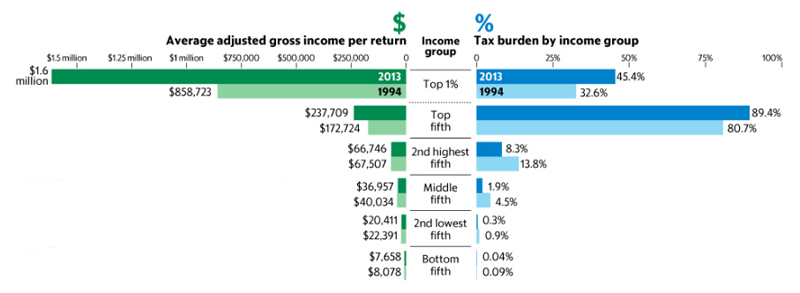
The central objection is that Measure N would make a regressive tax permanent. Sales taxes generally take a larger share of lower-income households’ resources than of wealthier households’ resources. The measure would also eliminate the planned reduction from 1.5 cents to 1 cent and remove the 2039 sunset. The effect on Santa Ana households has not been fully measured, because it depends on spending patterns, exemptions and the value residents receive from city services, but the general concern remains significant. (see Figure 1) 4
An indefinite tax would also remove an automatic opportunity for voters to reconsider it. Under the current schedule, residents would have a date certain when they could judge the tax’s cost and performance. Measure N would instead leave future review to another political decision. Audits and public reports improve transparency, but they are not the same as a sunset provision or a legal requirement to spend the money on clearly defined goals. 5
The measure’s use of the general fund creates another uncertainty. City officials could use the revenue to address broad service needs or an anticipated structural deficit, but Measure N does not promise particular staffing levels, emergency-response times, road repairs or public-safety results. In effect, approval would guarantee the city revenue capacity, not specific performance. Taxpayers could continue paying without being able to tell from the measure itself what improvements must follow. 6
The projected $84 million a year is also not guaranteed. Sales-tax collections can rise or fall with consumer spending, business conditions and exemptions. Measure N could make fiscal planning easier, but it would not remove economic risk or settle whether permanent taxation is preferable to periodic voter review.
- Measure N ballot question and impartial analysis ocvote.gov
- 2025-26 City budget santa-ana.gov
- City Council approves 2025-26 budget santa-ana.org
- Measure N ballot question and impartial analysis ocvote.gov
- Measure X Oversight Committee santa-ana.org
- Santa Ana 2018 Measure X financial reports archive santa-ana.gov
- How do state and local sales taxes work? itep.org
- California’s tax and revenue system isn’t fair for all calbudgetcenter.org
- Undue burden report spur.org
- Measure N ballot question and impartial analysis ocvote.gov
- 2025-26 City budget santa-ana.gov
- City Council approves 2025-26 budget santa-ana.org
Figures & data