Should City of Orange voters approve Measure I? (November 3, 2026 ballot)
What's this about?
People disagree about whether Orange voters should approve Measure I on November 3, 2026.
The plan would add a 1% sales tax for 13 years.
What supporters say
- Measure I could bring Orange about $37 million each year for city needs.
- City leaders could move the money as needs change, rather than lock it into one program.
- New local money could help keep city services going when other funds drop.
- Yearly audits, public reports, and a review group would let people check the money.
What critics say
- The plan does not require the money to pay for the services named in campaign ads.
- Sales tax money could change from year to year or fall below the city’s estimate.
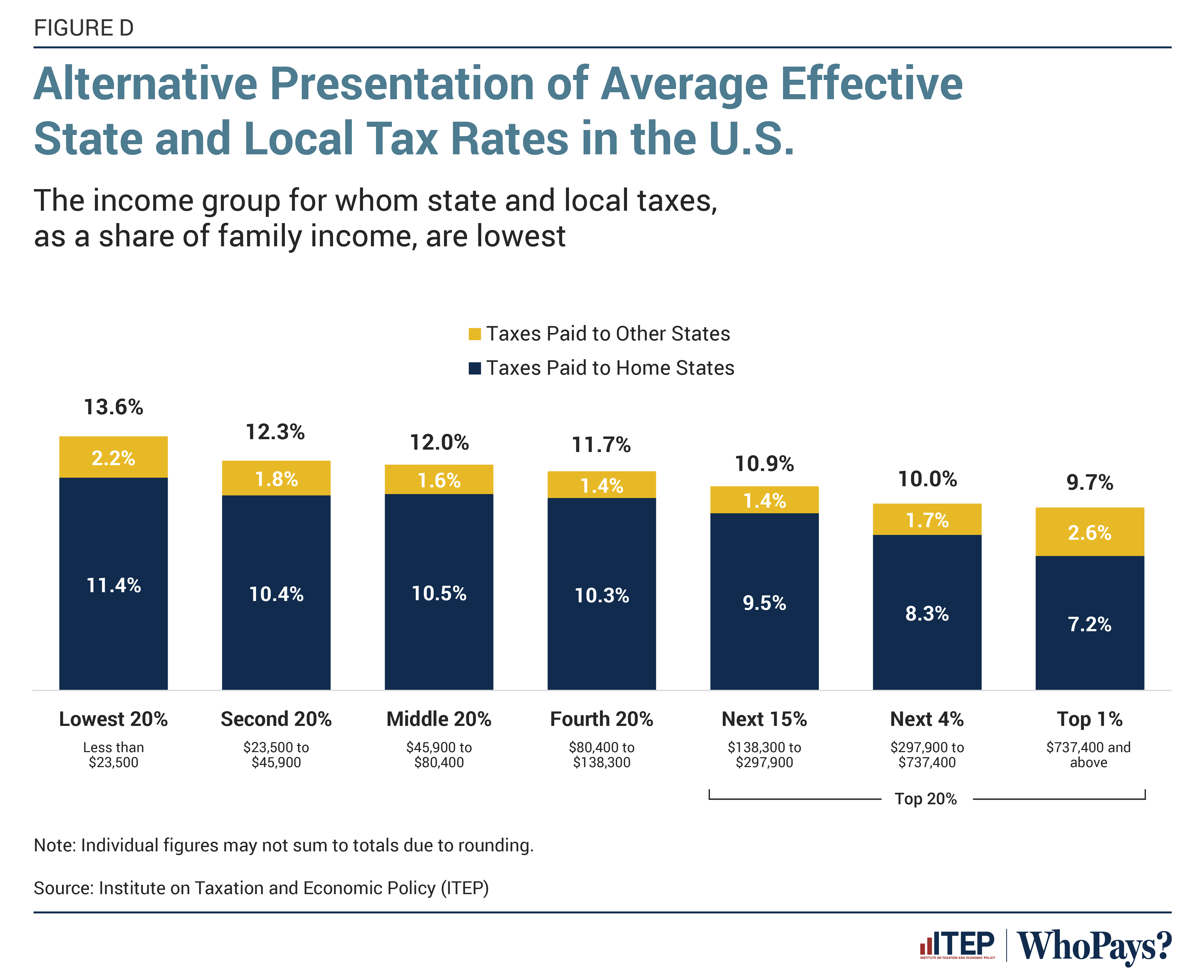
- Sales taxes can take a larger share of money from people with lower incomes.
How to read this
The number of points on each side does not show who is right; the strength of each point matters more.
Orange voters will decide on Measure I on Nov. 3, 2026. The proposal would impose a temporary 1% general sales tax, raising an estimated $37 million a year for 13 years—but the money would come with both useful flexibility and significant uncertainty.
The case for
Measure I would give Orange a substantial new source of flexible revenue. The city’s official estimate is about $37 million annually, depending on taxable sales. Because the money would go into the General Fund, elected officials could shift it as costs and priorities change rather than locking it into one program. That flexibility could help the city respond to changing operating pressures. Still, the estimate is a projection, not a guaranteed annual payment. 1
Supporters also argue that new local revenue could help protect city services if sales-tax collections or other income weaken. Research on communities hit by sudden retail-related sales-tax declines found cuts in law enforcement and administrative spending. That supports the general idea that unstable revenue can affect services, although it does not show that Measure I would preserve any particular Orange program. 2
The measure includes formal checks on how the money is handled. It requires an annual independent audit, public release and presentation of that audit, and an oversight committee to review revenue, spending and the audit. Those steps would make the tax more transparent than an entirely unmonitored revenue source. The city also says Orange receives only a small share of sales-tax revenue generated within its borders, though that argument comes from the measure’s sponsor rather than an independent review. (see Figure 1) 3
The case against
The strongest objection is that Measure I does not legally require the money to pay for the services highlighted in its campaign materials. It is a general tax, and the official analysis says proceeds may be used for any lawful municipal purpose. Voters would therefore be relying on future budget decisions, not an enforceable promise to fund public safety, infrastructure, parks, wildfire prevention or homelessness programs. 4
A sales tax can also take a larger share of lower-income households’ resources than of higher-income households’ resources. Research on California and other jurisdictions identifies sales-related taxes as potentially regressive, with especially large effects on lower-income households and, in some studies, racially minoritized groups. Measure I exempts many groceries, medicines and medical services, but the available analysis does not show how the remaining cost would be distributed among Orange households. (see Figure 2) 5
The projected revenue could also fall short. Collections would depend on taxable sales and local retail activity, leaving the city exposed to economic cycles during the 13-year period. State tax materials provide information about taxable sales and local allocations, but they do not predict Orange’s precise receipts under this measure. 6
- Measure I ballot question and impartial analysis ocvote.gov
- Measure I & Measure J - Two Local Funding Measures cityoforange.org
- Rules Versus Home Rule Local Government Responses to Negative Revenue Shocks jstor.org
- Fiscal Year 2026-27 Budget cityoforange.org
- Annual Comprehensive Financial Reports cityoforange.org
- Measure I ballot question and impartial analysis ocvote.gov
- Regressive revenue sourcing by local governments journals.sagepub.com
- Who Pays? 7th Edition itep.org
Figures & data