Restrictions on mail-in voting decrease voter turnout
Bottom line (updated 2026-08-26): Limits on mail voting can lower turnout for people who need mailed ballots. But we are not sure how much they change turnout across all voters, and the critics’ points have weaker support.
What's this about?
People disagree about whether limits on mail-in voting make fewer people vote. The answer may differ for each group of voters.
What supporters say
- Mail voting gives people a way to vote when they cannot reach or use a polling place.
- Rules, forms, dates, and other steps can make voting harder and stop some people from voting.
- Mail voting can raise turnout a little, especially in some local or less-known elections.
- Fewer drop boxes or harder return rules can make it tougher for people to send back ballots.
What critics say
- Limits on mail voting may have little or no effect on total turnout.
- Some people may switch from mail voting to voting in person, rather than stop voting.
How to read this
The number of points on each side does not show who is right; stronger proof matters more than a longer list.
The bottom line
Limits on mail voting can lower turnout for people who need mailed ballots. But we are not sure how much they change turnout across all voters, and the critics’ points have weaker support.
Restrictions on mail-in voting can reduce turnout, but the effect is unlikely to be the same for everyone. The strongest evidence points to bigger effects among voters who depend on mailed ballots, while the overall impact on an electorate remains uncertain.
The case for
Mail voting provides an important alternative for people who cannot easily reach or use a polling place. Distance, illness and administrative obstacles are all linked to lower participation. A 50-state study of hospitalized patients also found major differences in emergency absentee-ballot rules and procedures, showing how access can vary for people who may be unable to vote in person. Together, these findings support the basic mechanism: removing a practical voting channel can suppress participation for some voters.1
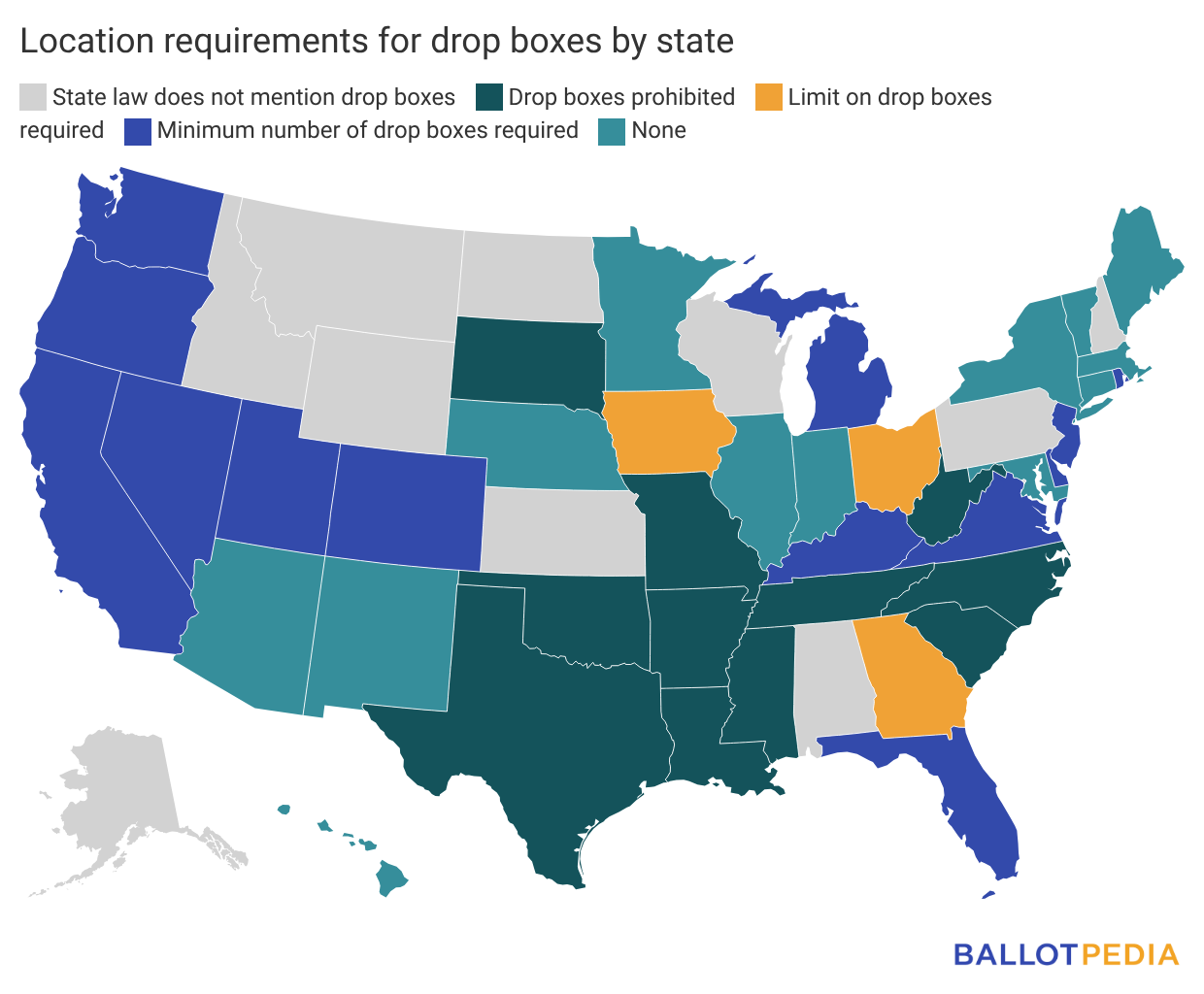
The place where ballots are returned can matter, too. Research from Washington state linked voters’ behavior to their proximity to ballot drop boxes. That suggests that reducing drop-box access or making ballot returns more difficult can impose a real cost, rather than merely changing the method people use to vote.
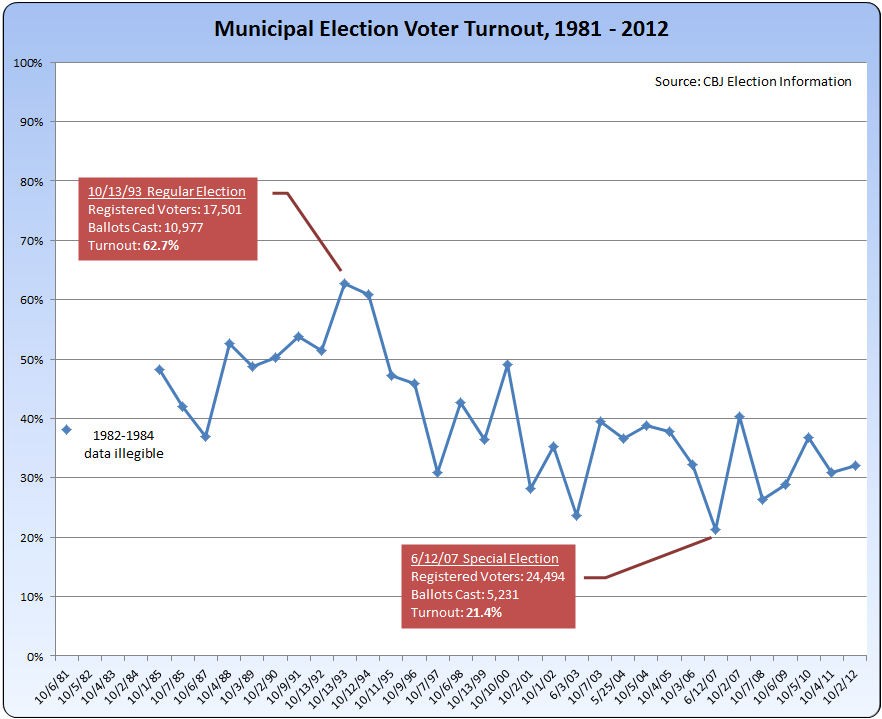
There is also evidence that expanding mail voting can produce modest turnout gains in some circumstances. Studies in Oregon and Washington generally found positive but limited effects. In Oregon, the gains were larger in lower-profile elections and were concentrated among people who were already regular voters, rather than spread evenly across the electorate. Removing or weakening mail voting could therefore reverse some of those gains for people who rely on the system.2 (see Figure 1)
Administrative friction may further reduce participation. Voters must request or receive a ballot, understand the rules and return it by the deadline. Randomized studies found that reminders, information and targeted encouragement increased the use of mail or other convenience voting methods. Along with the drop-box findings, this indicates that small procedural burdens can prevent some voters from completing the process.3
The case against
The main challenge is that the evidence does not show a consistently large decline in overall turnout when mail voting is restricted, especially when voters still have workable in-person or early-voting alternatives. Research from Colorado found no large overall turnout increase after the state adopted an all-mail system, even though many more people voted by mail. A randomized experiment similarly found that making mail voting easier did not uniformly increase turnout. (see Figure 3)
These findings weaken a simple conclusion that fewer mail ballots automatically means fewer voters. In many cases, voters may switch between mail, early in-person and Election Day voting. The change may affect how people vote rather than whether they vote.4 The Washington and Colorado findings also suggest that increased use of mail voting does not always create a large increase in participation across the electorate.5
The size of any effect depends heavily on the policy and the local alternatives. A short return deadline, fewer drop boxes or a narrow eligibility rule may matter greatly where many voters depend on mail ballots, but much less where in-person voting is convenient. Mail voting was especially common in 2020 and remained widely used afterward, though its use varied across states and elections.
The available studies examine several expansions of mail voting and particular access features more often than they examine every type of restriction. They do not establish one nationwide effect for rules involving deadlines, identification, eligibility, ballot curing or return infrastructure. They also do not fully show which voters cannot successfully switch to another voting method.
The bottom line
The evidence supports the claim conditionally. There is high confidence that restricting mail voting can reduce turnout among some voters who depend on mailed ballots, particularly when they face health, distance or administrative barriers. But confidence is only moderate that restrictions reduce turnout across an entire electorate.
Overall, the evidence favors the claim, but not strongly enough to predict a uniform nationwide decline. The key question is how heavily voters rely on mail ballots, how difficult the restriction is and whether practical substitutes are available.
Figures & data

All contributions are reviewed for clarity, balance, and evidence. The strongest insights are elevated into the argument graph — with credit to you.
Help improve this analysis →