Public insults by powerful state leaders reduce diplomatic concessions more than they deter adversaries
Bottom line (updated 2026-10-27): The proof shows that insults can bring real costs, such as less trust and less room for peace talks. But we're not sure yet if those costs are bigger than the power of insults to scare rivals away.
What's this about?
People disagree about whether insults from strong state leaders make rivals give in, or make talks fail.
The key question asks if insults stop threats, or make peace talks harder.
What supporters say
- Insults can make the other side feel shamed, so its leader may refuse to back down.
- Harsh words can break trust and make it harder for both sides to work together later.
What critics say
- A leader who makes a threat in front of others may feel forced to act, which can scare rivals into giving in.
- Clear acts of force, such as moving troops or ships, may matter more than rude words.
- Showing anger can make a threat seem real, so the other side may take it more seriously.
How to read this
The number of points on each side does not show who is right; the strength of the proof matters more.
The bottom line
The proof shows that insults can bring real costs, such as less trust and less room for peace talks.
But we're not sure yet if those costs are bigger than the power of insults to scare rivals away.
Public insults by powerful leaders may win attention and signal resolve, but they can also make compromise harder. The evidence suggests that insults often carry diplomatic costs, yet it remains unclear whether those costs outweigh any deterrent effect.
The case for
The strongest argument is that insults can turn a negotiable dispute into a fight over status or identity. When a leader publicly humiliates another government, backing down may become politically and emotionally harder. Research on provocation finds that public confrontations can increase the resolve of both leaders and their publics, narrowing the room for bargaining and raising the risk of escalation. Although that research does not test personal insults directly, it supports the central mechanism behind the claim. 1
Work on diplomatic disrespect points in the same direction. Insults can signal contempt and challenge the target’s standing, especially in unequal relationships. That may make the target less willing to offer concessions, even when compromise would otherwise serve its interests.
The damage may also last beyond the immediate crisis. Hostile public language can weaken trust and make future cooperation more difficult. Research on diplomatic communication suggests that audiences may respond less favorably when they see a message as manipulative or openly antagonistic. This means an insult might produce short-term pressure while creating greater resistance and less cooperation later. 2
The case against
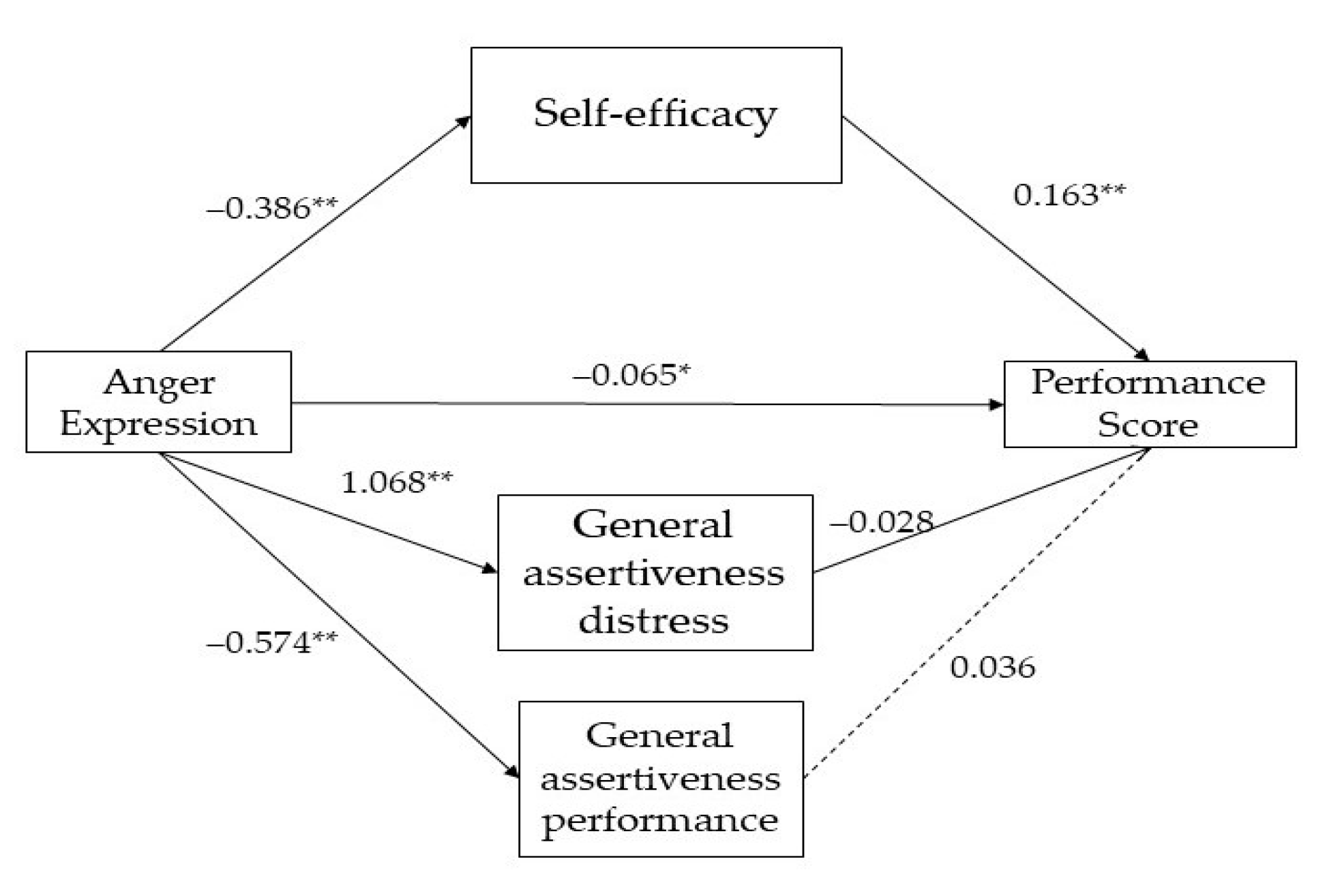
There are credible reasons to think confrontational rhetoric can deter opponents. A quantitative study of leaders’ statements during international crises from 1946 to 1996, paired with a U.S. survey experiment, found that expressed anger could make threats appear more credible and make targets more likely to comply (see Figure 1). That evidence concerns anger rather than personal insults, so it does not directly establish that insults work. But it does challenge the idea that hostile rhetoric is usually self-defeating. 3
Public confrontation can also create audience costs. Once leaders make a threat or commitment in front of their domestic audiences, backing down may carry political penalties. A review of this research supports the idea that public commitments can discourage opponents from testing a leader’s resolve. Studies of authoritarian governments and the Iraq conflict examine similar dynamics. However, these findings concern public commitments generally, not insults specifically. They show how public pressure can deter challenges, but not whether insults produce a net deterrent gain. 4
Nor should successful coercion automatically be credited to the insult itself. Research on crisis bargaining finds that military mobilization can make threats more effective, while broader studies of coercive diplomacy emphasize the importance of credible capabilities, assurances, objectives and the target’s incentives. Concrete, costly actions may matter more than inflammatory words. 5
The effect therefore depends heavily on context. A target may read anger as evidence of genuine resolve, or interpret an insult as contempt and an attack on its identity. The leader’s credibility, the target’s domestic politics, available assurances and the presence of material leverage can all change the result.
The bottom line
The evidence slightly favours the claim’s concern about diplomatic costs, but not strongly enough to establish its comparative ranking. There is strong support for the idea that provocation can harden resolve, and some support that disrespect can damage future cooperation. At the same time, evidence from anger, public commitments and costly military signals provides meaningful support for deterrence.
The main problem is that researchers rarely measure both outcomes together. Most studies examine anger, public commitments, military pressure or diplomatic impoliteness rather than isolating personal insults and comparing lost concessions with deterrence gains. The evidence therefore supports mechanisms on both sides more clearly than it proves which effect is larger.
The safest conclusion is conditional: insults are neither uniformly effective nor uniformly harmful. Their results depend on how they are understood, what leverage accompanies them and whether any short-term deterrence is later outweighed by resistance and damaged cooperation.
Pros — Supporting Arguments
Figures & data
All contributions are reviewed for clarity, balance, and evidence. The strongest insights are elevated into the argument graph — with credit to you.
Help improve this analysis →