Llama-3.3-70B-Instruct can code, but is not specifically optimized for repository-scale software engineering
What's this about?
People disagree about whether Llama-3.3-70B-Instruct can handle whole software projects, not just small code tasks.
It can help with code, but we need to ask what proof exists for large project work.
What supporters say
- The model can write code that a computer can run from a user’s request.
- It can explain code and suggest changes when someone shares the needed details.
- A user can show a bug or error message and ask the model for possible fixes.
- Back-and-forth chat can help a human work through a coding problem step by step.
What critics say
- Writing one function differs from fixing a problem across a whole code project.
- Large project tasks need the system to search files, understand links, and fit changes into old code.
- The system must also run project tests and make sure its changes do not break other parts.
- Public facts do not show a clear score for how often this model fixes real project bugs.
The bottom line
Llama-3.3-70B-Instruct can help people write, explain, and change code.
But the evidence does not show that people built it mainly for large, whole-project software work.
Llama-3.3-70B-Instruct can help write, explain and revise code, but the available evidence does not show that it was built specifically for large, repository-wide software engineering tasks.
The case for
Meta’s Llama-3.3-70B-Instruct is an instruction-tuned, general-purpose language model, and its published materials support its use as a programming assistant. In a chat-based setting, it can plausibly explain code, generate new code from a request, review an error description and suggest changes. That makes it useful for developers who provide the relevant code and context. It can generate and explain executable code, rather than merely discuss programming in abstract terms 1.
Its ability to follow instructions also makes it suitable for parts of a debugging workflow. A user can describe a bug, share an error message or paste a failing section of code, then ask the model to diagnose the problem and propose a fix. This kind of back-and-forth can support iterative work, including explanations of why a change might solve the problem. Instruction following can support debugging assistance, especially when a human remains involved and supplies the necessary details 2.
But the evidence is stronger for general assistance than for dependable debugging performance. The public record supports saying the model can offer code and candidate fixes; it does not provide a clear, quantified measure of how reliably those fixes work across real projects. In other words, the model may be a helpful collaborator, but it has not been independently established as an autonomous debugging system.
The case against
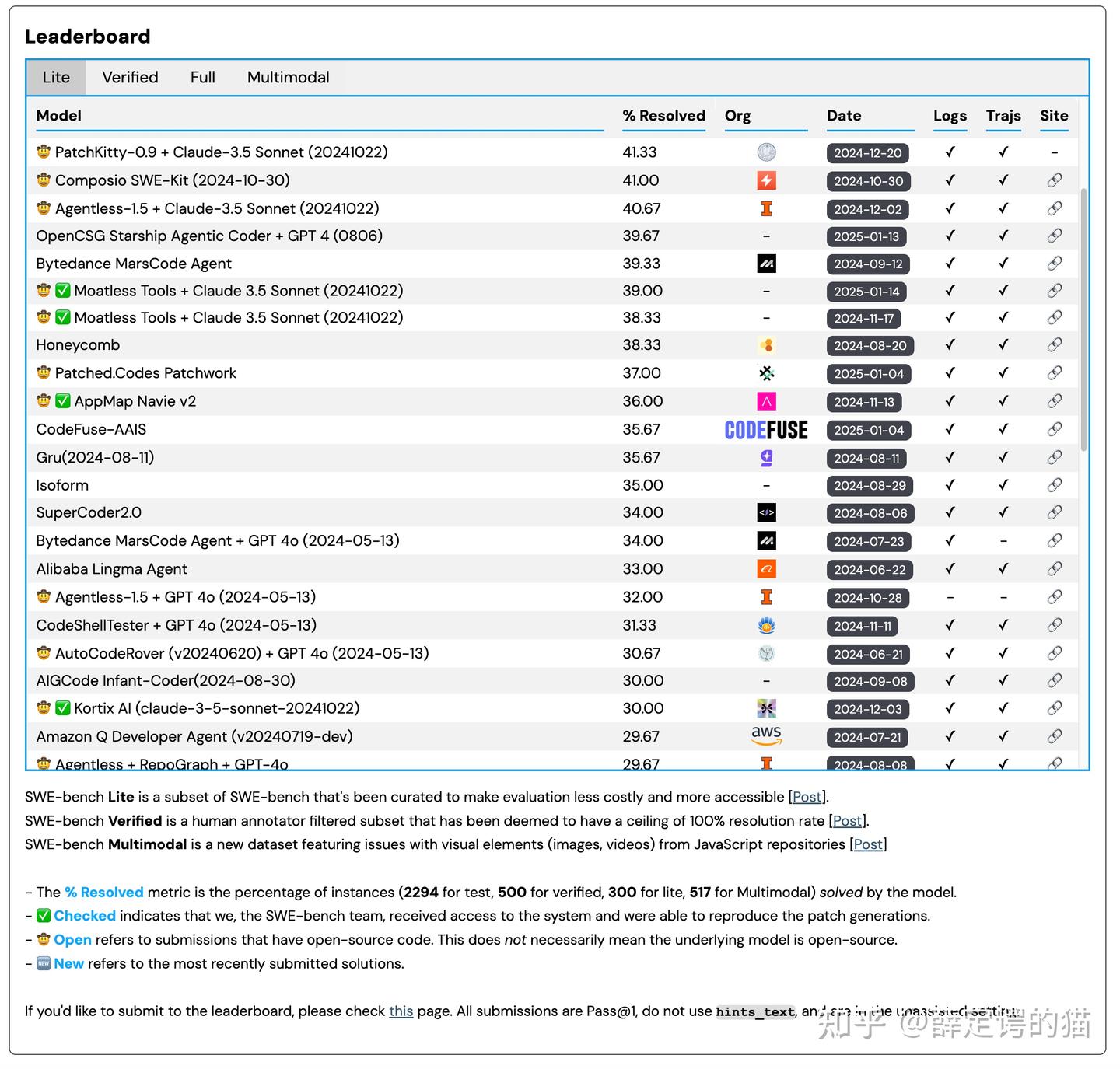
Writing a function or suggesting a patch is not the same as succeeding at repository-scale software engineering. Benchmarks such as SWE-bench are built around real GitHub issues in existing codebases. To solve them, a system must understand the issue, navigate the project, make changes that fit with the rest of the code, and pass the project’s tests. Repository context, patch integration and test success are central to the task, not optional extras (see Figure 1) 3.
Meta’s public documentation describes Llama-3.3-70B-Instruct as a general-purpose, instruction-tuned model. It does not say that the model was trained or fine-tuned specifically for SWE-bench, repository navigation or autonomous software-engineering agents. That absence matters because it limits what can be claimed about the model’s intended design and documented capabilities. General coding ability is not evidence of repository-scale optimization 3.
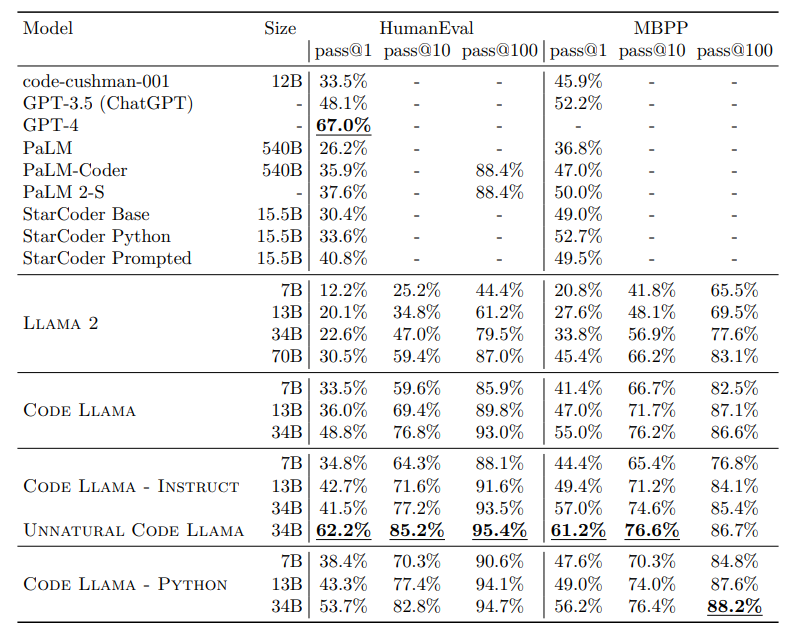
Meta’s separate Code Llama family also suggests that the company has treated code-focused adaptation as a distinct design decision, rather than something that automatically follows from general instruction tuning (see Figure 2). That does not make Llama-3.3-70B-Instruct incapable of working on large codebases. It simply means that its usefulness for coding should not be mistaken for proof that it has been tailored to the demands of repository-level engineering 4.
Results on these tasks also depend on more than the underlying model. The surrounding system matters: how it searches and represents a repository, what tools it can use, how it iterates on changes, and whether it runs and responds to project tests. Research on repository representations and software-improvement workflows shows why a model’s size or name alone is an incomplete guide to codebase-level performance (see Figure 3).
Even a benchmark-passing patch would not settle the question of whether a system is safe to use without supervision in production. Tests can miss security problems, maintenance burdens or other weaknesses in AI-generated repairs. The available materials also do not include a direct SWE-bench score or a controlled comparison between this exact Llama checkpoint and systems designed specifically for repository work.
The bottom line
The evidence strongly supports a qualified conclusion: Llama-3.3-70B-Instruct can be used for code generation, explanation and conversational debugging help when users provide relevant context 12. But public documentation does not show that it was specifically optimized for repository-scale software-engineering benchmarks or autonomous agent workflows 4.
That is not evidence that the model will fail on repository tasks. Rather, the key uncertainty is the lack of direct, comparable results for this exact model under clearly defined tools, context limits, agent setup and test conditions. The distinction between general coding assistance and documented repository-scale specialization is clear; its real-world performance on the latter remains unproven.
Figures & data
All contributions are reviewed for clarity, balance, and evidence. The strongest insights are elevated into the argument graph — with credit to you.
Help improve this analysis →