Foreign-policy divisions can weaken a party’s electoral support despite agreement on domestic economics
Bottom line (updated 2026-10-27): The evidence says foreign-policy fights can hurt a party, especially when the fight feels important and people see it clearly. But the effect stays unclear when money issues matter more or strong party loyalty shields the party.
What's this about?
People disagree about whether a party can lose votes when members fight over foreign policy.
This can happen even when they agree about money-related plans at home.
What supporters say
- Public party fights can make voters trust the party less and want to vote for it less.
- Big foreign-policy mistakes can change votes when voters see the harm and blame the party.
- Foreign-policy fights can split old groups of voters and make new party loyalties.
What critics say
- Voters may care more about jobs, prices, and other money issues than foreign policy.
- Strong party loyalty and deep social splits can protect a party from losing votes.
How to read this
The number of points on each side does not show who is right; strong proof matters more than a long list.
The bottom line
The evidence says foreign-policy fights can hurt a party, especially when the fight feels important and people see it clearly.
But the effect stays unclear when money issues matter more or strong party loyalty shields the party.
A party may agree internally on domestic economic policy yet still lose voters if its members are visibly divided over foreign affairs. The evidence supports that possibility, but mainly when the dispute is public, important to voters and tied clearly to party responsibility.
The case for
Visible party conflict can make a party look less attractive, even when voters agree with some of its policies. A probability-based German experiment found that presenting a party as united increased its electoral appeal and could partly offset disagreements over policy (see Figure 1). Other research similarly links perceived internal conflict to lower judgments of competence and lower willingness to vote for a party. But voters must notice the disagreement, or hear about it from the party or media, before it can affect their views. 1
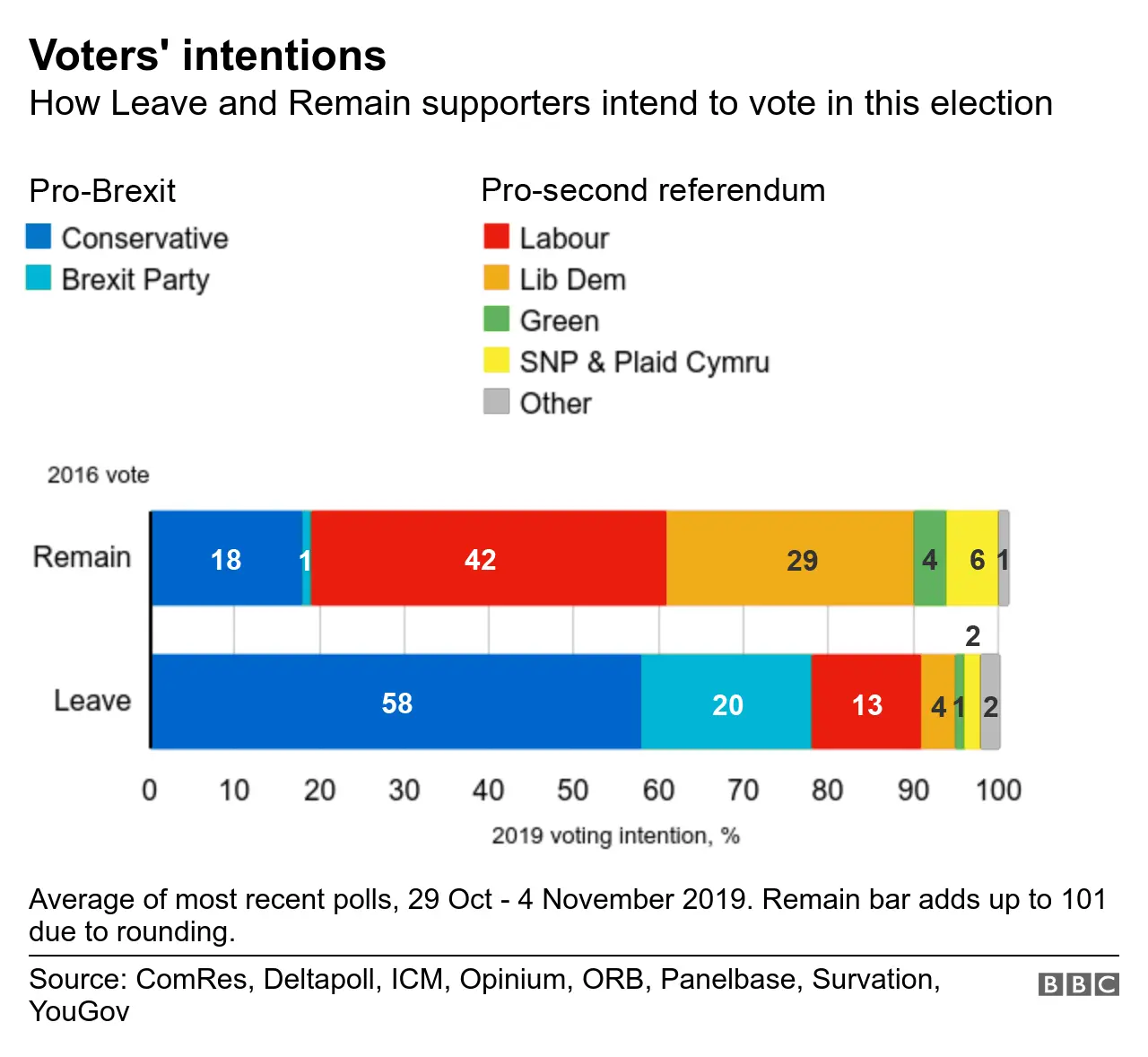
Foreign-policy disputes can also break apart established voting coalitions. Brexit is the clearest example. Over time, Conservative support became more closely tied to identifying as a Leave supporter, while Labour support became more closely tied to identifying as a Remain supporter. Both major parties went through prolonged internal conflict and ideological change after the referendum.
Brexit does not prove that foreign policy alone caused the electoral realignment. Immigration, identity, geography and institutional conflict also mattered. But it shows how an unresolved issue involving a country’s external relationships can become a more powerful guide to party support than older economic divisions. 2
Foreign-policy failures may affect votes when their consequences are visible and voters can identify who is responsible. Studies of deaths linked to the Iraq War, including research on county-level results in the 2006 Senate elections and wider research covering presidential elections, found electoral shifts associated with exposure to the war. Internal party divisions could make this penalty worse by creating competing impressions of competence and responsibility. 3
The case against
Foreign-policy disagreement does not automatically outweigh economic concerns or long-standing party loyalty. A 2024 voter analysis found that 42 percent of respondents considered climate change important, and the same share said so about immigration, compared with 30 percent for the Israel-Hamas war (see Figure 3). This suggests that a party’s economic message may continue to protect it when voters care more about domestic issues or do not clearly understand the foreign-policy dispute. 4
Polarization can also prevent voters from defecting. When supporters see the opposing party as unacceptable, they may tolerate serious disagreements within their own party rather than switch sides. Leadership, disciplined messaging and internal procedures can further contain conflict.
The wider research has important limits. Studies often examine party unity, foreign-policy performance, war exposure or a particular realignment episode separately. Few directly compare parties that differ in foreign-policy unity while holding domestic economic positions constant. The evidence also comes from different settings—Germany, Britain and the United States—so it cannot be assumed that the same effects occur everywhere.
The bottom line
The evidence favours the claim, but conditionally rather than decisively. It is strong that voters generally value perceived party unity, and there is meaningful evidence that highly salient foreign-policy issues can reshape support and influence vote choice. But the evidence is weaker on the specific combined question: how much a foreign-policy split hurts a party when voters agree with its domestic economic program.
The effect is most credible when the disagreement is public, the issue matters to voters and responsibility is easy to assign. Public defections, contradictory messages or a major international crisis are therefore more dangerous than quiet internal differences. Economic priorities and partisan polarization may shield a party from punishment.
Overall, confidence is high in the underlying mechanisms but lower in the size and frequency of the combined effect. Electoral losses may reflect the foreign-policy issue, broader disunity, polarization, or related identity and institutional conflicts—not the foreign-policy division alone.
Pros — Supporting Arguments
Cons — Opposing Arguments
Figures & data
All contributions are reviewed for clarity, balance, and evidence. The strongest insights are elevated into the argument graph — with credit to you.
Help improve this analysis →