Brain-computer interfaces in non-medical applications pose ethical and privacy concerns
What's this about?
People disagree about whether brain-computer tools outside hospitals create big privacy and fairness risks.
These tools now appear in games, schools, jobs, and home devices.
What supporters say
- Brain signals may show focus, tiredness, feelings, likes, or parts of a person's sense of self.
- Many people see these guesses as private, even when a device cannot freely read thoughts.
- Apps can send brain data through wireless links, save it online, and share it with other firms.
- Bosses may pressure workers to wear brain tools, so saying yes may not feel like a real choice.
What critics say
- Current brain-computer tools cannot freely read every thought from a person's mind.
- We do not yet have proof that people widely abuse these tools in daily life.
- A gamer using a headset at home may have more choice than a worker asked to wear one.
- Good safety rules and clear choices could lower risks from data leaks and unwanted sharing.
The bottom line
Brain-computer tools raise serious privacy and fairness concerns, especially when firms collect and use brain data.
We have not seen wide abuse yet, but the risks deserve care now.
Brain-computer interfaces, or BCIs, are moving beyond medicine into games, education, workplaces and consumer devices. The evidence suggests they raise serious ethical and privacy questions, though there is not yet proof of widespread abuse in everyday use.
The case for
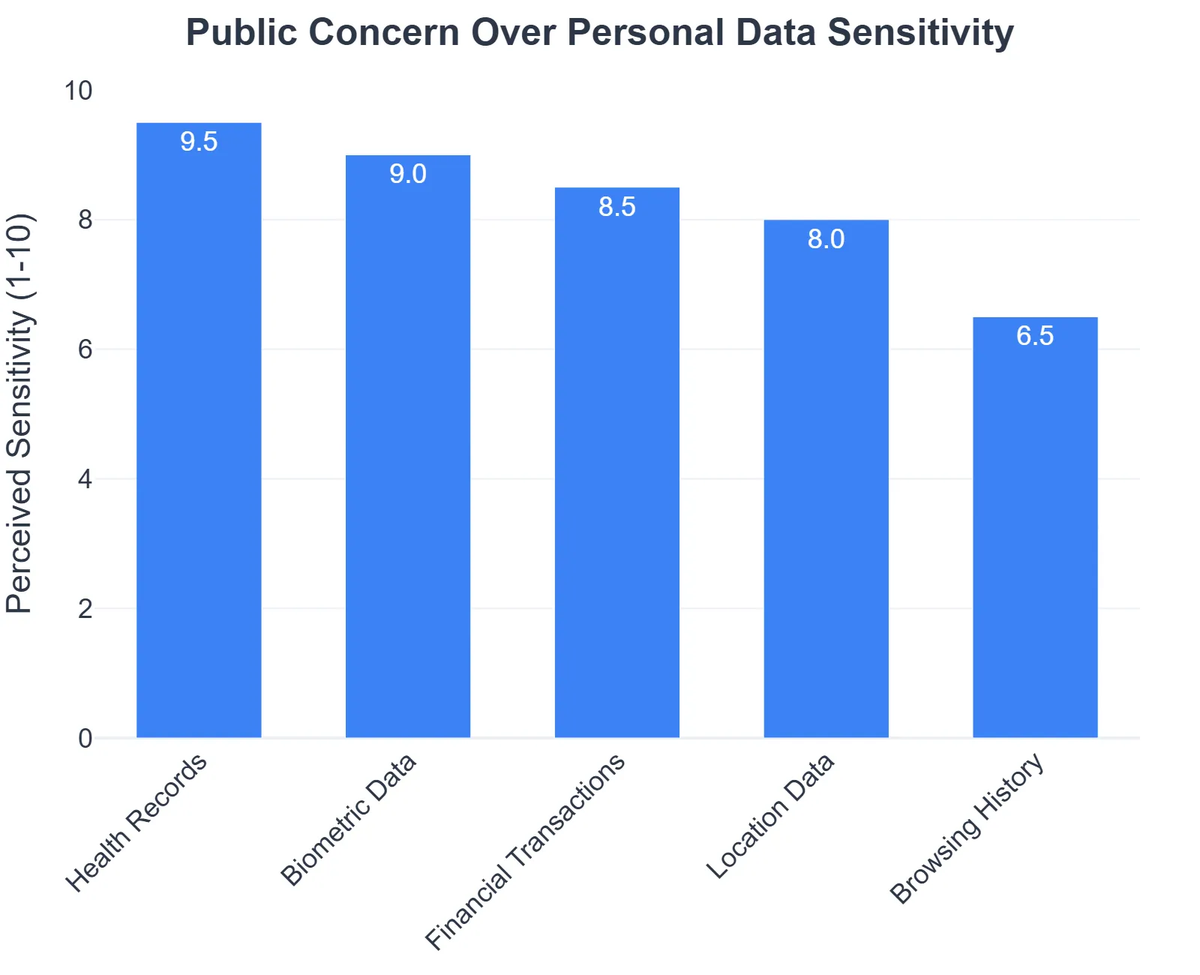
The central concern is that brain-related data may be more personal than many other forms of digital information. Even when a device cannot read a person’s thoughts freely, its signals may be used to estimate attention, fatigue, emotion, preferences or aspects of cognitive identity. Many people would reasonably see such inferences as private, not just the raw recordings themselves. Research on public attitudes also finds that people view brain data as sensitive and worry about how it could be collected and reused 1 (see Figure 2).
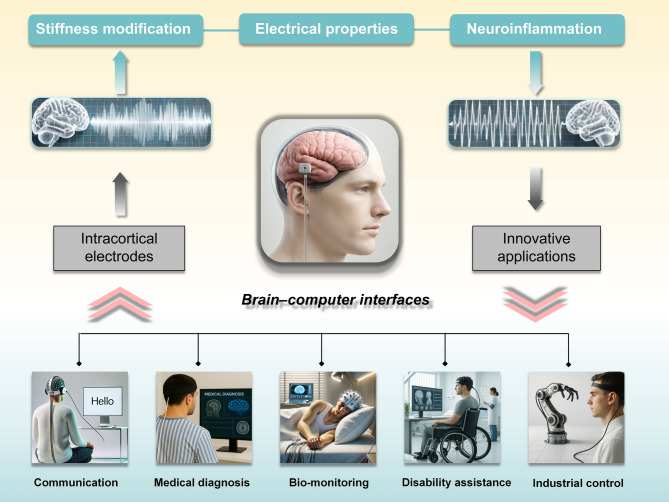
Risks grow when a BCI is part of a connected digital system. A headset may send data wirelessly to an app, which may upload it to cloud servers, store it, combine it with other information or share it with other companies. Each stage creates another possible route for data leaks, hacking or uses that the user did not expect. Security research points to vulnerabilities in wireless links, authentication, cloud processing and data storage, while governance studies warn about sharing, inference and secondary use 2 (see Figure 1).
The issue is not only whether data are stolen. In commercial or institutional settings, people may not fully understand what they are agreeing to, or may feel they cannot realistically refuse. An employee asked to wear a device for performance monitoring, for example, may face a very different choice from a gamer using a headset at home. Consent can be weak when refusing carries a cost, and questions about ownership, retention, deletion and sharing become more important when companies control the data 3 (see Figure 3).
There is also a risk that BCI-derived information could be used to sort, target or influence people. Estimates of attention, emotional state, fatigue or preferences could feed advertising, hiring decisions, workplace monitoring or other forms of profiling. The evidence does not show that these practices are already common, but it supports treating them as plausible autonomy and discrimination risks as the technology improves 4.
Children and other vulnerable users deserve particular attention. BCIs may appear in games, educational tools and immersive environments, where users may be less able to understand data practices or resist persuasive design. Evidence from related immersive technologies raises concerns about privacy, manipulation, autonomy, identity and development. But direct evidence of child-specific harm from BCIs remains limited 5.
The case against
Today’s consumer BCIs have important technical limits. Most non-invasive devices, including consumer EEG headsets, do not provide unrestricted access to private thoughts. Their performance depends on tightly defined tasks, signal quality, individual differences and the way data are processed. Studies show that systems can classify some tasks or mental states under controlled conditions, rather than decode free-form thinking 6.
The strongest limitation in the evidence is the lack of data on real-world harm. Much of the research consists of ethics reviews, legal analysis, surveys and technical discussions of possible attacks. These sources establish vulnerabilities and reasons for safeguards, but they do not show how often consumer BCI users have suffered breaches, coercion, discrimination or manipulation 7.
Non-medical BCIs can also offer benefits. They may create new forms of entertainment and interaction, and could offer alternative ways to control technology for some people who cannot easily use standard interfaces. Still, evidence for these benefits is uneven and often comes from prototypes rather than widely deployed products 8.
The bottom line
The claim is well supported, with an important qualification. Non-medical BCIs pose significant ethical and privacy concerns because neural and inferred data can be highly sensitive, connected systems create security and reuse risks, and consent and discrimination problems are plausible—especially in workplaces, schools and other settings where participation may not be fully voluntary.
But this is primarily a risk-and-governance judgment, not proof that large-scale harm is already happening. Current devices cannot generally read arbitrary thoughts, and direct evidence on the frequency and scale of abuse is sparse. The most proportionate response is neither alarmism nor complacency: clear consent, limited data collection, strong security, restrictions on secondary use and inference, independent auditing, and added protections for vulnerable users are warranted.
Pros — Supporting Arguments
Figures & data
All contributions are reviewed for clarity, balance, and evidence. The strongest insights are elevated into the argument graph — with credit to you.
Help improve this analysis →