Taxpayer-funded preschools should be prohibited from denying enrollment or services to LGBTQ+ families on religious grounds
Bottom line (updated 2026-11-06): The evidence leans toward requiring equal access from preschools that take public money. The harm to faith-based preschools and the loss of preschool spots remain possible, but proof for them is weaker.
What's this about?
People disagree about whether preschools using public money should serve LGBTQ+ families.
The question weighs fair access against faith rights and the number of preschool spots.
What supporters say
- Public preschools should welcome all families, including families with LGBTQ+ parents.
- Public money can come with a rule that gives every child equal access.
- One clear rule can stop each preschool from making its own unfair choice.
- Refusals can hurt families when nearby preschools have few open spots.
What critics say
- Court rules may protect faith groups that seek public aid.
- A ban might lead some preschools to leave the public program.
- Some faith-based preschools may feel that the rule harms their faith practice.
How to read this
The number of points on each side does not show who is right; strong proof matters more than a long list.
The bottom line
The evidence leans toward requiring equal access from preschools that take public money.
The harm to faith-based preschools and the loss of preschool spots remain possible, but proof for them is weaker.
The claim is that preschools receiving taxpayer money should not be allowed to deny enrollment or services to LGBTQ+ families because of religious objections. The dispute pits equal access to publicly supported education against religious freedom and concerns about the availability of preschool places.
The case for
Public funding can reasonably come with equal-access rules. Colorado requires participating providers to offer eligible children the same opportunity to enroll and receive universal preschool services, regardless of sexual orientation, gender identity or religious affiliation. The Tenth Circuit upheld that requirement in the circumstances before it, treating it as a condition of taking part in a public program—not as a ban on religious teaching or belief. 1
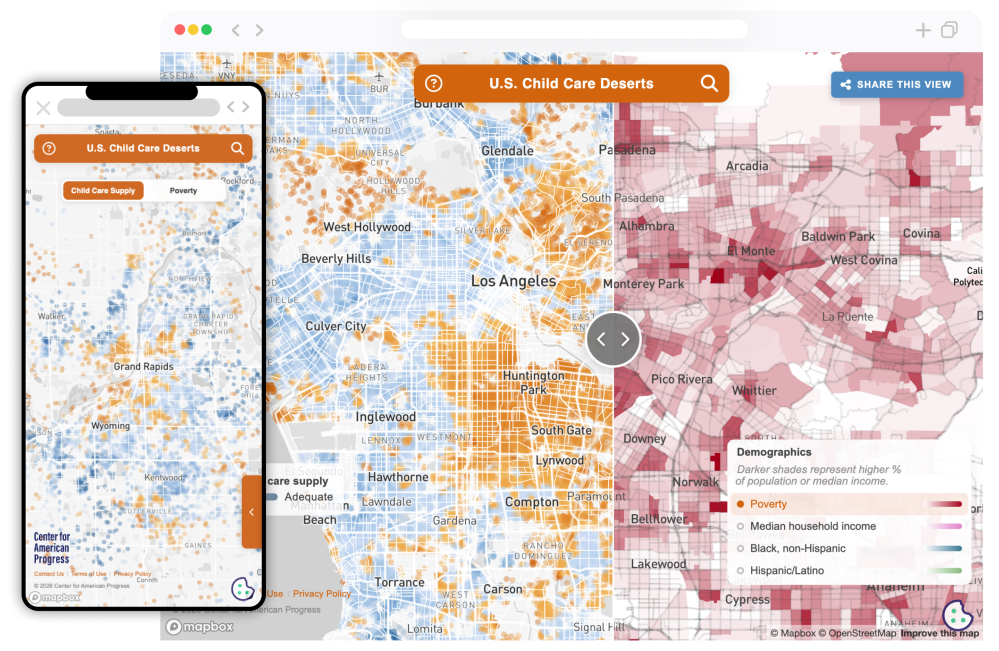
Refusals could create real obstacles where families have few alternatives. Research documents discrimination affecting some LGBTQ+ parents in health and early-learning systems, while the Center for American Progress reports that nearly half of young children live in areas with inadequate licensed-child-care supply. A denied placement could therefore mean travelling farther, waiting longer or losing access to a publicly supported place, although the evidence does not directly measure religious refusals in preschools. 2
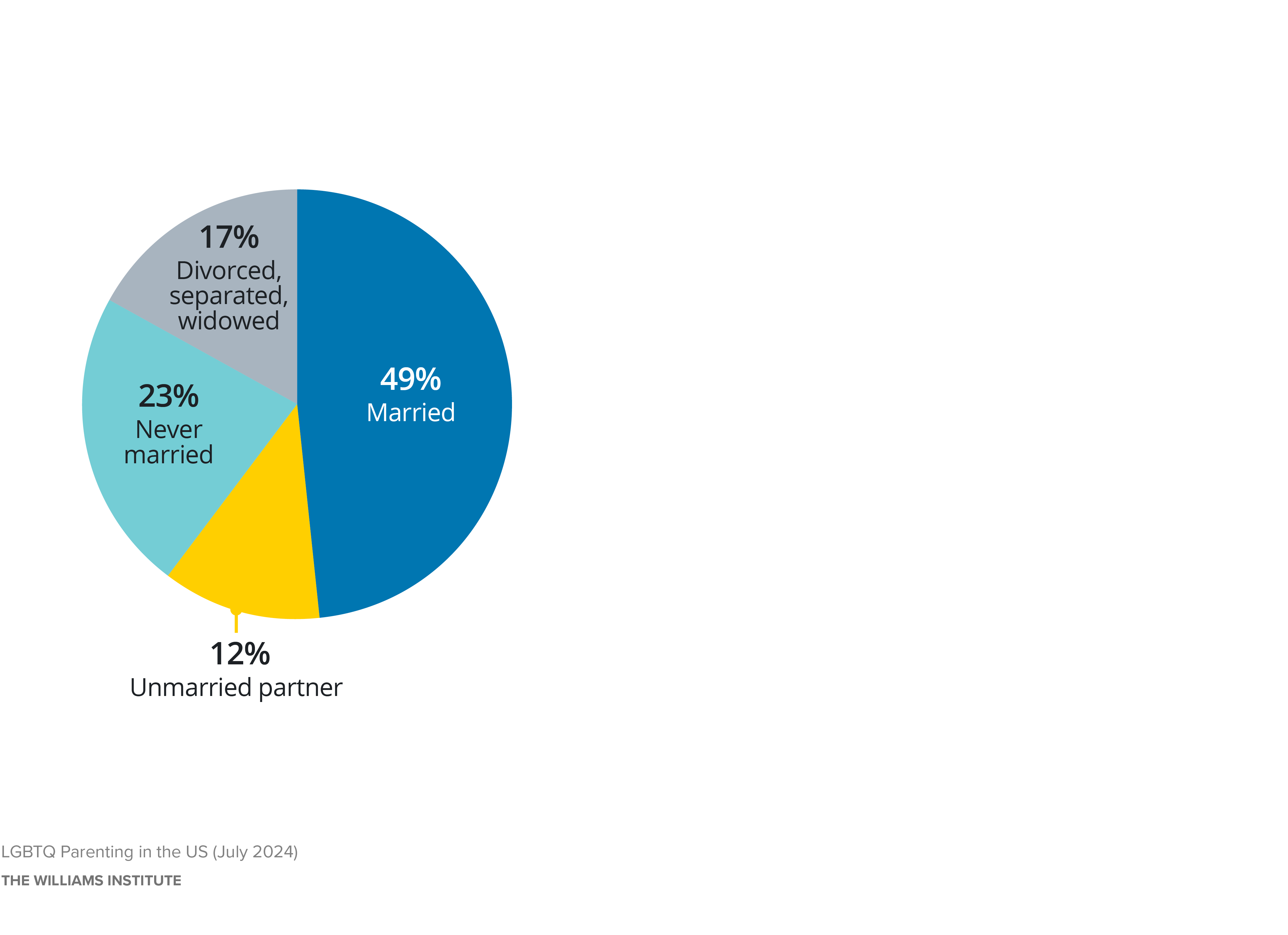
The policy would also recognize the families that public preschool systems serve. Reviews of school climate and early-childhood settings suggest that institutional practices affect whether families with same-gender parents feel included, though the research is limited and does not focus mainly on enrollment denials. The Williams Institute estimates that about five million children have an LGBTQ parent, showing that the issue affects a substantial population rather than a rare exception. 3 (see Figure 1)
Uniform rules could provide a predictable standard in a system made up of public, private, community-based and religious providers. Without such a rule, access may depend on which provider controls the only available place in a family’s area. A single participation condition would reduce those provider-by-provider differences. 4
The case against
Religious providers argue that serving children from LGBTQ+ families, or recognizing their family relationships, may conflict with sincerely held beliefs. That could place a burden on religious exercise, although the supporting material is largely legal advocacy rather than neutral evidence showing how often such conflicts occur. 5
Supreme Court decisions give religious organizations an important legal argument. In *Espinoza*, the court said governments generally may not exclude otherwise eligible recipients from public benefits solely because they are religious. In *Fulton*, it found a free-exercise violation where a public contract’s nondiscrimination policy allowed officials to grant discretionary exemptions. Those rulings strengthen the providers’ position, but they do not establish a general right to refuse service in every publicly funded preschool program. *Fulton* specifically involved a policy that was not generally applicable.
A further concern is that some religious providers could leave the publicly supported system rather than accept the condition. In places where they provide many of the available preschool slots, that could reduce local capacity. But there is no evidence showing how many providers would withdraw or what the effect would be, making this a plausible risk rather than a demonstrated program-wide result. 7
The key legal question is whether the government is excluding providers because they are religious, or instead requiring every provider that voluntarily accepts public funds to serve eligible families equally. The Tenth Circuit upheld Colorado’s rule, but the Supreme Court’s review in *St. Mary Catholic Parish v. Roy* shows that the national constitutional answer remains unsettled. 6
The bottom line
The evidence somewhat favors requiring equal service, mainly because public funding can be tied to equal access and because research documents broader concerns about inclusion and limited preschool supply. Those points are more concretely supported than the evidence that providers would withdraw or that religious exercise would be seriously harmed.
But the advantage is modest, not decisive. The record contains little direct data on how often taxpayer-funded preschools deny services to LGBTQ+ families, how much harm those refusals cause, or how many providers might exit. The central uncertainty is constitutional: whether the Supreme Court will allow equal service to be imposed as a uniform condition on religious providers that choose to accept public funds. Confidence in the overall conclusion is therefore moderate rather than high.
Figures & data
All contributions are reviewed for clarity, balance, and evidence. The strongest insights are elevated into the argument graph — with credit to you.
Help improve this analysis →