Should Union City voters approve Measure II? (November 3, 2026 ballot)
What's this about?
People disagree about whether Union City voters should keep Measure II.
The measure keeps a 5% tax on power, phone, and water bills for nine more years.
What supporters say
- City checks and yearly money reports would help people watch how officials use the tax.
- The vote would keep about $7 million each year for the city.
- The money could help pay for police, fire crews, medics, road work, and youth and elder care.
What critics say
- The tax may hurt poorer homes more, since people pay more when they use more power or water.
- The city could spend the money on many needs, so no rule protects it for one key service.
- City facts do not show that the city needs this tax for nine more years.
How to read this
The number of points on each side does not show who is right; the stronger proof matters more.
Union City voters will decide Nov. 3 whether to extend Measure II, an existing utility-users tax. The proposal would keep the current 5% rate for nine more years, but questions remain about who bears the cost, how the money could be spent and whether renewal is truly necessary.
The case for
The clearest argument for Measure II is avoiding the loss of an existing local revenue source. City estimates put the tax at about $7 million a year. Approval would not raise the current rate; it would extend the existing authorization, which otherwise expires after Dec. 31, 2028. In that sense, voters would be choosing whether to preserve current revenue rather than approve an immediate tax increase. 1
The money would remain under local control and could help pay for services with broad public benefits. Ballot materials list emergency response, paramedics, fire protection, police, street repairs, crime prevention, and programs for young people and seniors as possible uses. That flexibility could help the city manage its budget and respond to changing needs. But the measure does not show that it would increase service levels or prevent any specific cut. 2
There are also formal checks on the money. The proposal calls for annual independent audits and public financial reports, and the city offers an online tool for reviewing revenues and spending. Those measures would give residents a way to track the tax, although they cannot guarantee that future spending will produce the best results. Comparable California cities already administer similar taxes through utility providers, suggesting that the collection system is workable. 3
The case against
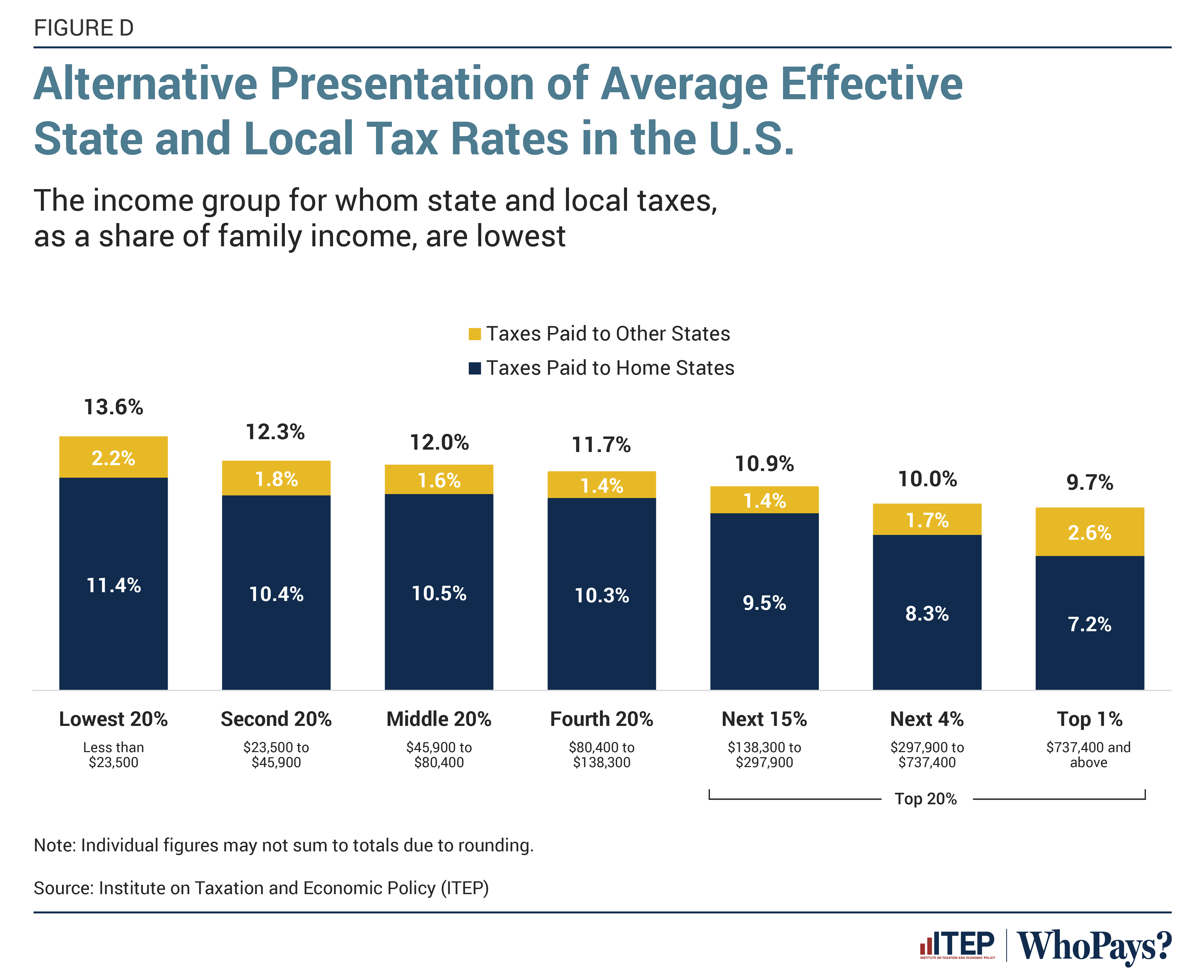
The strongest concern is unequal impact on households. The tax appears on utility bills and is tied to consumption. Research on consumption-based charges, including California electricity costs, suggests that such fees can take a larger share of lower-income households’ budgets. Measure II includes exemptions for seniors and low-income residents, but the available record does not say how many people qualify or what non-exempt low-income households would pay. The evidence therefore shows a reasonable fairness concern, not a precise Union City estimate. 4
The measure also does not guarantee that the money will fund the services highlighted in its campaign materials. It is legally a general tax, rather than a protected levy limited to emergency response, streets, police or other named programs. If approved, the city could use the revenue for any legitimate governmental purpose. That preserves flexibility, but it gives voters less control over how the money is ultimately spent. 5
Finally, the public record does not establish that renewal is essential. Union City publishes budgets, financial reports and capital-planning information, but the reviewed materials do not identify a quantified deficit, estimate specific service cuts without the tax or provide an independent comparison with alternative savings and revenue options. The $7 million estimate shows how much money the tax could raise—not whether the city cannot manage without it. 6
- Union City Essential Services Extension Measure: official ballot question and impartial analysis acvote.alamedacountyca.gov
- Voter Approved Funding unioncityca.gov
- Union City Essential Services Extension Measure: official ballot question and impartial analysis acvote.alamedacountyca.gov
- Measure II: Expiring Utility Users Tax (UUT) unioncityca.gov
- Union City Essential Services Extension Measure: official ballot question and impartial analysis acvote.alamedacountyca.gov
- City financial reports unioncityca.gov
- Union City Essential Services Extension Measure: official ballot question and impartial analysis acvote.alamedacountyca.gov
- City Utility Users Tax (UUT) for Fiscal Years 2017 to 2024 data.ca.gov
- Paying for Electricity in California: How Residential Rate Design Works next10.org
- Who Pays? 7th Edition itep.org
- Union City Essential Services Extension Measure: official ballot question and impartial analysis acvote.alamedacountyca.gov
- Union City Essential Services Extension Measure: official ballot question and impartial analysis acvote.alamedacountyca.gov
- City financial reports unioncityca.gov
- Financial Services and city budget information unioncityca.gov
Figures & data