Should Cupertino voters approve Measure L? (November 3, 2026 ballot)
What's this about?
People disagree about whether Cupertino voters should approve Measure L on November 3, 2026.
The plan would need a two-thirds citywide vote before some open lands could change use.
What supporters say
- It would give parks and open land a lasting shield against new homes, shops, or other uses.
- A two-thirds vote could stop a small group of leaders from making a major land choice.
What critics say
- It could move expert land talks into voter fights, where ads, money, and turnout may shape results.
- It may make it harder and slower to balance homes, roads, public needs, and nature.
How to read this
The number of points does not show which side is right; check how strong the proof is for each point.
Cupertino voters will decide whether to approve Measure L on Nov. 3, 2026. The proposed General Plan amendment would require a two-thirds citywide vote before certain parks, parklands or open-space areas could be redesignated for housing, commercial, industrial or other covered uses.
The case for
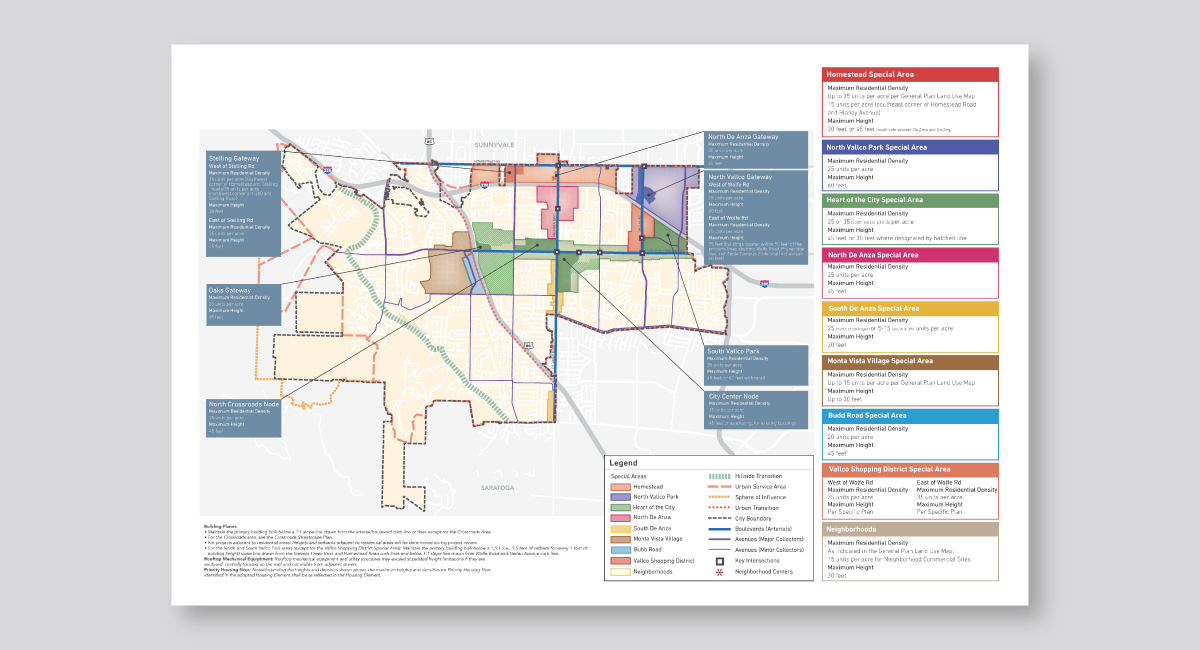
Measure L’s clearest benefit is that it would give designated public open space a durable safeguard against conversion. City materials say that changing the status of covered parks, parkland and open space would require voter approval. Cupertino’s General Plan describes neighborhood parks as recreational resources and attractive places for residents and families. (see Figure 1) 1
That threshold could prevent a narrow or temporary majority on the City Council from making what might be an effectively permanent land-use decision. A two-thirds vote would require broad citywide support before protected land could be used for specified non-park purposes. This is an inference about the value of the rule, but it follows directly from the measure’s legal design and the city’s own description of its open-space goals.
The measure would also make the protection less dependent on the priorities of future councils. Instead of leaving the decision entirely to elected officials and normal planning procedures, Measure L would place it behind an electoral requirement. That does not show whether voters would approve or reject any particular future project, but it does create a stronger institutional barrier to conversion. 2
The case against
The main objection is that Measure L could make Cupertino’s planning process less flexible and slower, particularly when the city must weigh housing, infrastructure, public services and environmental needs together. Cupertino describes its General Plan as the roadmap for those decisions. Adding a citywide vote could make technical comparisons more vulnerable to campaign spending, voter turnout and delay.
Research on California’s local approval process has linked approval requirements to the time needed to complete housing developments. That study did not examine Measure L, so it cannot predict the measure’s specific effect. But it supports the concern that another approval layer could increase uncertainty. 4
The housing concern is also plausible, though not measured for Cupertino. California requires cities to plan for housing through their General Plans and Housing Elements. If protected sites could otherwise have been considered for homes, Measure L might reduce the city’s choices for meeting those obligations. A broader SPUR report found negative effects from voter-approval requirements on infill housing in the jurisdictions it studied, but it is an advocacy-oriented report and does not establish what would happen in Cupertino. 3
The measure’s scope is important. It would cover specified parks, parkland and open-space designations, not every housing project or every General Plan change. Cupertino also promotes accessory dwelling units, or ADUs, as a way to add homes under existing residential rules. That means Measure L would not necessarily prevent meaningful housing growth, although particular protected sites could still matter to future housing or infrastructure plans.
The available evidence does not quantify the measure’s effects on housing capacity, city finances, administrative costs or property values. Nor does it show how often the covered land would otherwise be proposed for development. The arguments about delay and reduced housing rely mainly on broader California evidence rather than a Cupertino-specific analysis. 3
- Cupertino ballot measure listing vote.santaclaracounty.gov
- Parks and Open Space Protection Measure cupertino.gov
- Cupertino General Plan: Land Use and Community Design cupertino.gov
- Cupertino ballot measure listing vote.santaclaracounty.gov
- City Attorney’s Impartial Analysis of Measure L files.santaclaracounty.gov
- City Attorney’s Impartial Analysis of Measure L files.santaclaracounty.gov
- California housing development: The role of local commissions on completion time doi.org
- Cupertino General Plan cupertino.gov
Figures & data