Whether the United States should continue protecting Venezuelan nationals from deportation when conditions in Venezuela remain unsafe
Bottom line (updated 2026-11-20): The evidence leans toward keeping protection for now, but not as a forever rule. The United States should review cases and pay close attention to people facing the greatest danger.
What's this about?
People disagree about whether the United States should keep people from Venezuela safe from deportation (forced return). The question is hard because Venezuela remains unsafe, but not everyone faces the same risk.
What supporters say
- Returning some people may expose them to state harm, violence, hunger, or a lack of needed care.
- Legal protection lets people work legally, support their families, and take part in their towns.
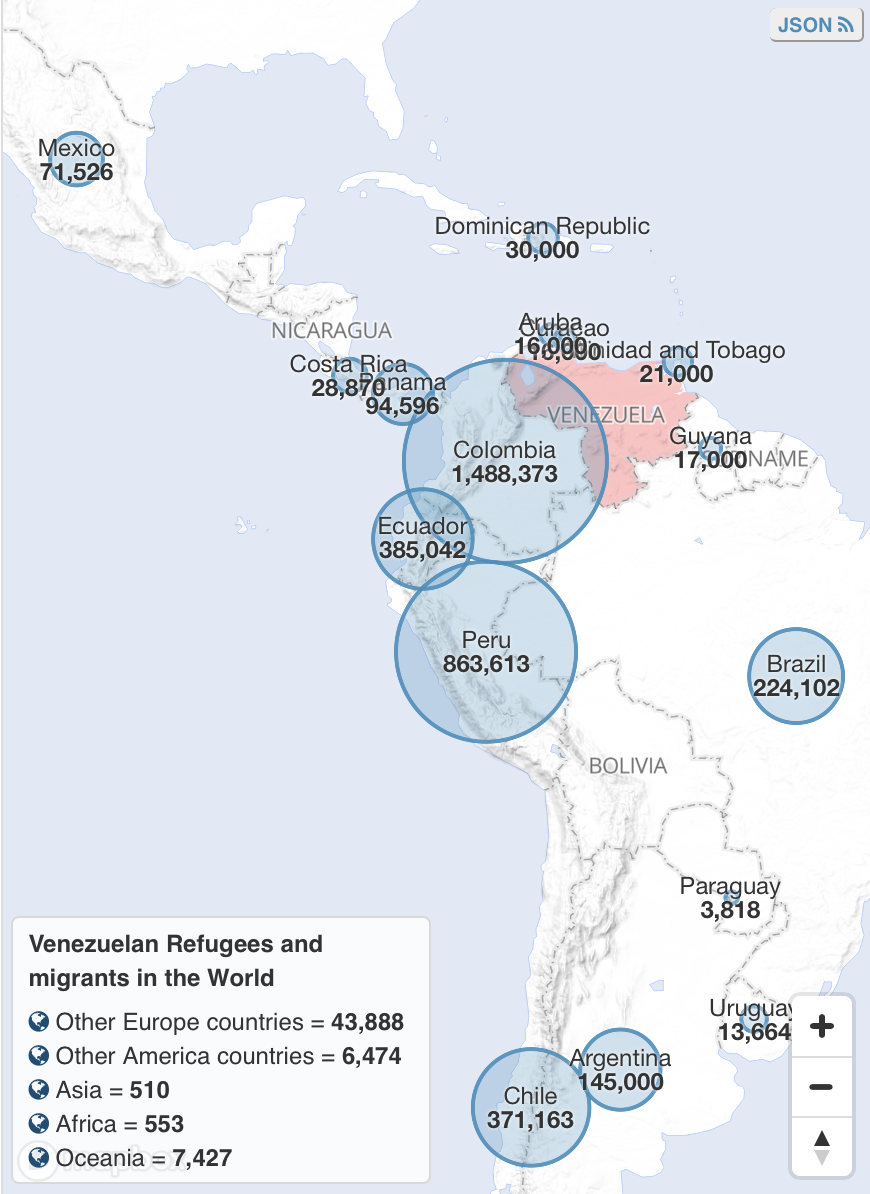
- Nearly eight million people from Venezuela live outside the country, showing that the crisis still affects many people.
What critics say
- Protection should not continue forever without regular checks on each person’s case.
- Changing protection rules can confuse workers, families, courts, and government officers.
- One rule for the whole country may miss the fact that some people face less danger than others.
How to read this
The number of points on each side does not show who is right; check how strong the proof is behind each point.
The bottom line
The evidence leans toward keeping protection for now, but not as a forever rule. The United States should review cases and pay close attention to people facing the greatest danger.
The United States faces a difficult choice over whether to keep Venezuelan nationals from deportation while conditions in Venezuela remain unsafe. The evidence supports continued protection, but not as an automatic or permanent policy.
The case for
The strongest argument is that returning some Venezuelans could expose them to political repression, violence and severe deprivation. Human Rights Watch has documented credible reports of killings linked to political unrest, including cases implicating security forces and pro-government armed groups. Freedom House also describes a major decline in political rights and civil liberties. Humanitarian reporting estimates that about seven million people in Venezuela need assistance, suggesting that return can carry serious risks for people with political, medical, social or other vulnerabilities 1.
The evidence does not show that every Venezuelan faces the same danger. It does show that return to Venezuela is materially different from return to a normally functioning country, particularly for people who are politically exposed or otherwise vulnerable.
The scale of displacement is another sign that the crisis is continuing rather than being isolated or short-lived. UNHCR reports nearly 7.9 million Venezuelan refugees and migrants outside the country, including 6.7 million in Latin America and the Caribbean. Those figures do not prove that every individual would be unsafe if returned, but they support caution against routine deportations and reflect prolonged political, economic and humanitarian pressures 2 (see Figure 1).
Maintaining lawful status can also reduce vulnerability in the United States. Temporary Protected Status, or TPS, provides relief from deportation and permission to work without automatically granting permanent residence. That can allow displaced people to support themselves, join the labor market and participate in their communities lawfully. Research has found that recent Venezuelan arrivals included many relatively highly educated people, while also reporting service needs, discrimination and negative reception. Those findings support lawful protection, though they do not directly measure what would happen to people if they were deported 3.
The case against
The central objection is that protection should remain temporary, reviewable and limited, rather than continuing indefinitely by default. The Congressional Research Service describes TPS as a temporary system subject to recurring questions about eligibility, duration and oversight. The United States has already treated Venezuelan designations separately: a 2021 designation was later ended after the Department of Homeland Security concluded that its statutory conditions no longer justified continuation, while a 2023 designation was extended through October 2, 2026 4.
Countrywide protection may also overlook important differences between individuals. Country reports can establish serious national conditions, but they do not show that every Venezuelan faces identical personal risk. Humanitarian evidence of widespread need likewise does not settle whether blanket protection is better than individualized screening. As a result, asylum or withholding proceedings, combined with more targeted temporary protection, could better distinguish people facing persecution or acute vulnerability from those whose circumstances have materially improved 5 (see Figure 2).
The changing designations and eligibility rules create a further administrative problem. Separate rules for the 2021 and 2023 groups can make compliance, case decisions and long-term planning harder for government agencies and affected individuals. But the available evidence does not show that ending protection would reduce these costs overall. This argument points more clearly to better administration and regular review than to deportation as the preferred solution 6.
The bottom line
The evidence favours continuing protection for eligible Venezuelan nationals while unsafe conditions persist, but only with meaningful limits. The safety case is stronger than the case for ending protection: it draws on converging human-rights reports, humanitarian assessments, displacement figures and official government findings.
That support is strongest for people whose personal circumstances make return unsafe, not for an indefinite blanket policy covering everyone. The record is weaker on the direct effects of deportation, the benefits of TPS compared with individualized adjudication, and the overall administrative costs.
A defensible policy would therefore continue protection while requiring periodic review, clear eligibility rules, individualized screening and the possibility of ending or narrowing a designation when conditions change. The evidence gives moderate support to conditional continuation, but low confidence to any policy that treats temporary protection as permanent or assumes that national conditions alone prove identical risks for every Venezuelan.
Figures & data
All contributions are reviewed for clarity, balance, and evidence. The strongest insights are elevated into the argument graph — with credit to you.
Help improve this analysis →