Should San Francisco voters approve Proposition C? (November 3, 2026 ballot)
What's this about?
People disagree about whether San Francisco voters should approve Proposition C on November 3, 2026.
The plan would put more money into homes, but give the city less choice later.
What supporters say
- Proposition C could give housing programs steady money to build and save more homes people can afford.
- Help with rent, home loans, and home costs could make life safer and healthier for some families.
What critics say
- Proposition C would lock more city money into housing, leaving less money for future needs.
- More money alone may not make homes affordable for most people across San Francisco.
How to read this
The number of points on each side does not show who is right; the strength of the proof matters more.
San Francisco voters will decide whether to approve Proposition C on Nov. 3, 2026. The measure would make a larger, long-term commitment to housing programs, raising dedicated funding while also limiting the city’s future budget flexibility.
The case for
Proposition C’s strongest argument is that it would provide more predictable funding for programs San Francisco already runs. The measure would raise annual Housing Trust Fund contributions to at least $125 million and extend the fund through 2058, compared with 2043 under current law. The money could support affordable-housing construction and preservation, homeownership, down-payment assistance, housing stabilization and related infrastructure.
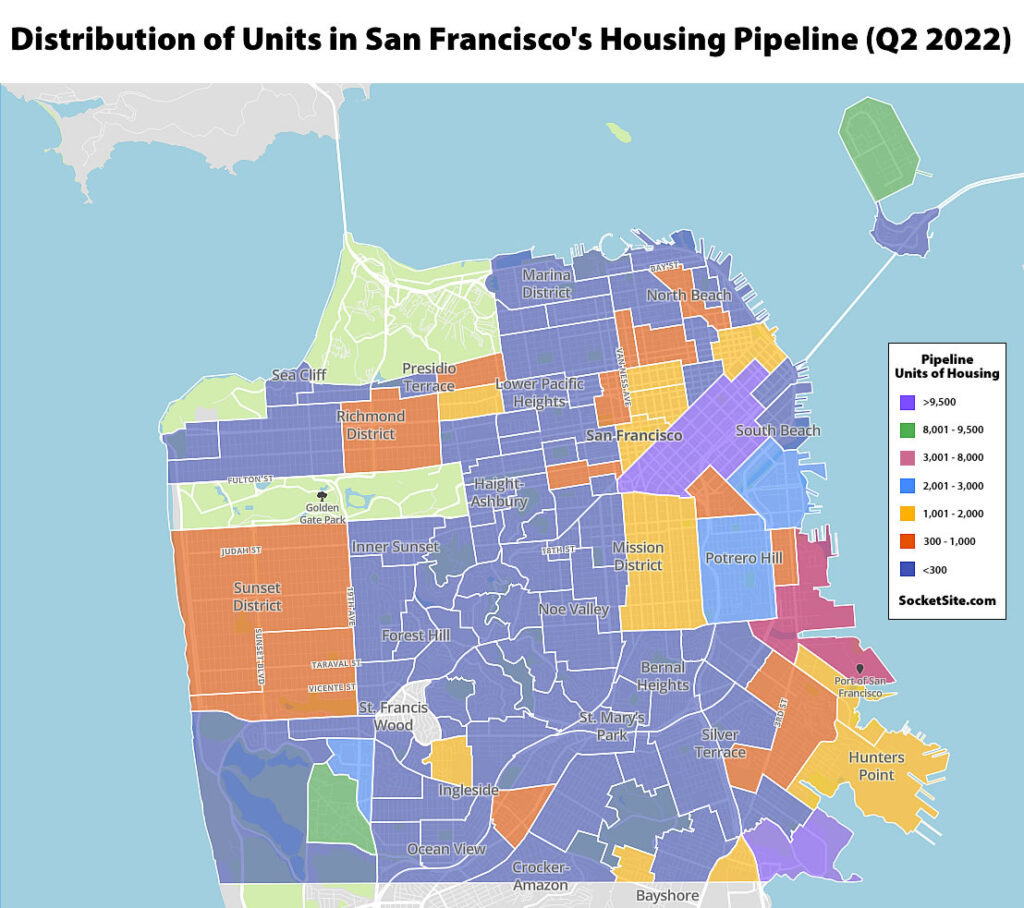
The Housing Trust Fund’s existing five-year report shows that the city has already used the fund for development, preservation, homeownership and stabilization. City planning officials also identify financing as one of the barriers to producing more housing. That suggests additional money could move through established programs rather than requiring a completely new delivery system. Dedicated funding could expand San Francisco’s affordable-housing capacity 1 (see Figure 1).
The measure also has a targeted social-benefit argument. Research links housing stability and affordability with better health, while experimental studies suggest rental assistance can reduce housing instability among eligible households. Proposition C could finance rental and ownership housing, down-payment loans and stabilization services. Those findings do not show exactly how much Proposition C itself would improve residents’ lives, but they support the idea that the programs it funds can provide meaningful help 2.
Supporters therefore do not need to prove that Proposition C would make San Francisco broadly affordable to make a credible case. They can argue that it would provide more assistance and stability to particular households facing high housing costs.
The case against
The main objection is that Proposition C would turn more future city resources into a voter-required obligation. The Controller estimates that the measure would add about $6 million in General Fund costs in 2028–29, rising to roughly $60 million a year by 2034–35. At that point, annual contributions would be about $125 million instead of approximately $65 million under current law.
The Controller also warns that voter-mandated spending reduces officials’ ability to respond to changing needs. Existing voter-required spending already accounts for about 30% of General Fund sources. Although Proposition C includes temporary freeze and reduction provisions during periods of fiscal stress, the Controller’s projections do not assume those provisions would be used. Indexing contributions to revenue growth would make housing funding more predictable, but it would also cause the obligation to rise when the city faces other growing costs 3.
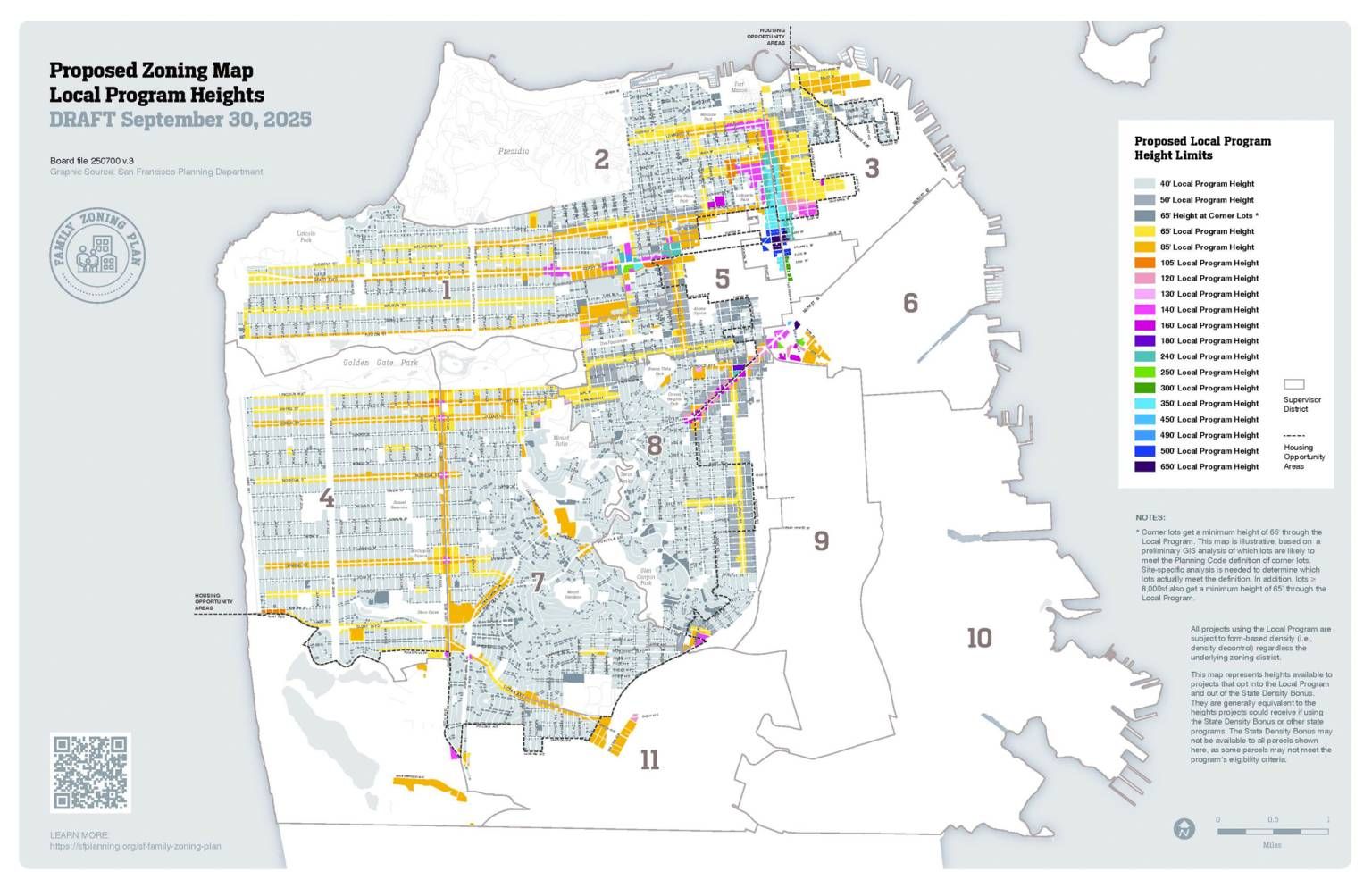
Critics also argue that money alone will not solve San Francisco’s affordability problem. Planning research identifies land, infrastructure, financing and the feasibility of development as connected obstacles. Broader housing research finds that supply and regulatory conditions affect affordability, while subsidies often help targeted households without reducing rents citywide by themselves (see Figure 2). Proposition C does not set production targets, impose cost controls or change regulations to address those issues.
The measure’s broader eligibility rules create another trade-off. Raising the income limit for down-payment assistance from 120% to 200% of area median income could help moderate-income households. But without rules that prioritize need, it could also steer limited aid away from poorer residents. The Board of Supervisors could change the limit, adding flexibility but also uncertainty 4.
Pros — Supporting Arguments
Cons — Opposing Arguments
- Proposition C ballot digest media.api.sf.gov
- Housing Trust Fund five-year report, 2018-2023 sf.gov
- Affordable Housing Sites Analysis and Strategies Final Report sfplanning.org
- Proposition C ballot digest media.api.sf.gov
- Association of promoting housing affordability and stability with health outcomes jamanetwork.com
- Experimental evidence shows that housing vouchers reduce housing instability healthaffairs.org
- Proposition C ballot digest media.api.sf.gov
- Voter-required spending baselines in San Francisco sfcontroller.org
- Affordable Housing Sites Analysis and Strategies Final Report sfplanning.org
- San Francisco Housing Affordability Strategies report default.sfplanning.org
- Housing affordability: Trends, consequences, and policies aaronhedlund.github.io
- Making housing affordable? The local effects of relaxing land-use regulations sciencedirect.com
Figures & data